Travel Around Scotland - The Best Way To Plan Your Route
Travel around Scotland with a better plan. Learn the best transport choice, realistic trip pace, and the official details to verify in 2026.
Author:Marcus ValeApr 27, 2026149 Shares74.5K Views

Travel Around Scotland For The First Time: Car, Train, Or Hybrid
A first Scotland trip often starts with the same mistake: the map looks manageable, the names sound irresistible, and suddenly one week is trying to hold Edinburgh, Glencoe, Loch Ness, Skye, Inverness, and the North Coast 500 all at once.
The result is not a richer holiday. It is a blur of check-outs, long driving days, and a creeping feeling that the country is passing by faster than you can feel it.
The stronger approach is simpler. Choose how you want to move first, then build a route that fits that choice.
Scotland has rail links to all eight cities, an extensive road network, ferry connections to islands, and live journey-planning toolsthat make hybrid trips easier than many first-timers expect.
Key Takeaways
- A car is best when your dream trip depends on rural flexibility, scenic stops, and places that are awkward on timetables.
- The train is best when you want cities, major Highland corridors, and less mental load.
- Hybrid is often the smartest first-time choice because it cuts city-driving stress while still unlocking rural highlights.
- Seven days is the sweet spot for a first proper loop; five days is a highlights trip, and ten days lets you slow down.
- Skye and the North Coast 500 are not automatic add-ons to every first visit; each works better when given real time.
- ETA, customs, ferry, and pass details can change, so volatile travel facts should be verified on official pagesbefore booking.
Choose The Best Way To Travel Around Scotland Before You Choose Your Stops
This section gives you the core decision that shapes the rest of the trip. Get this right, and your route becomes calmer, cheaper to manage, and far more enjoyable.
When A Scotland Road Trip Is The Best Fit
A car suits the traveller who wants Scotland to unfold between the headline stops. It is the strongest option for Glencoe pull-ins, small villages, flexible photo stops, early starts in the Highlands, and places where buses or trains either thin out or stop being convenient.
Scotland’s official travel pages lean heavily on driving as the mode that opens up scenic touring, and they specifically flag the country’s road-trip culture.
National Tourist Routes, and remote-road realities such as driving on the left and dealing with single-track roads and passing places.
A car is also the better fit when your trip is rural-first rather than city-first. A couple landing in Edinburgh, spending a night or two there.
Then, heading west or north will usually gain much more from a short self-drive segment than from trying to force every scenic day onto public transport schedules.
That does not mean car from day one; it means using the car where it solves the right problem.
When Train Travel Is The Smarter Choice
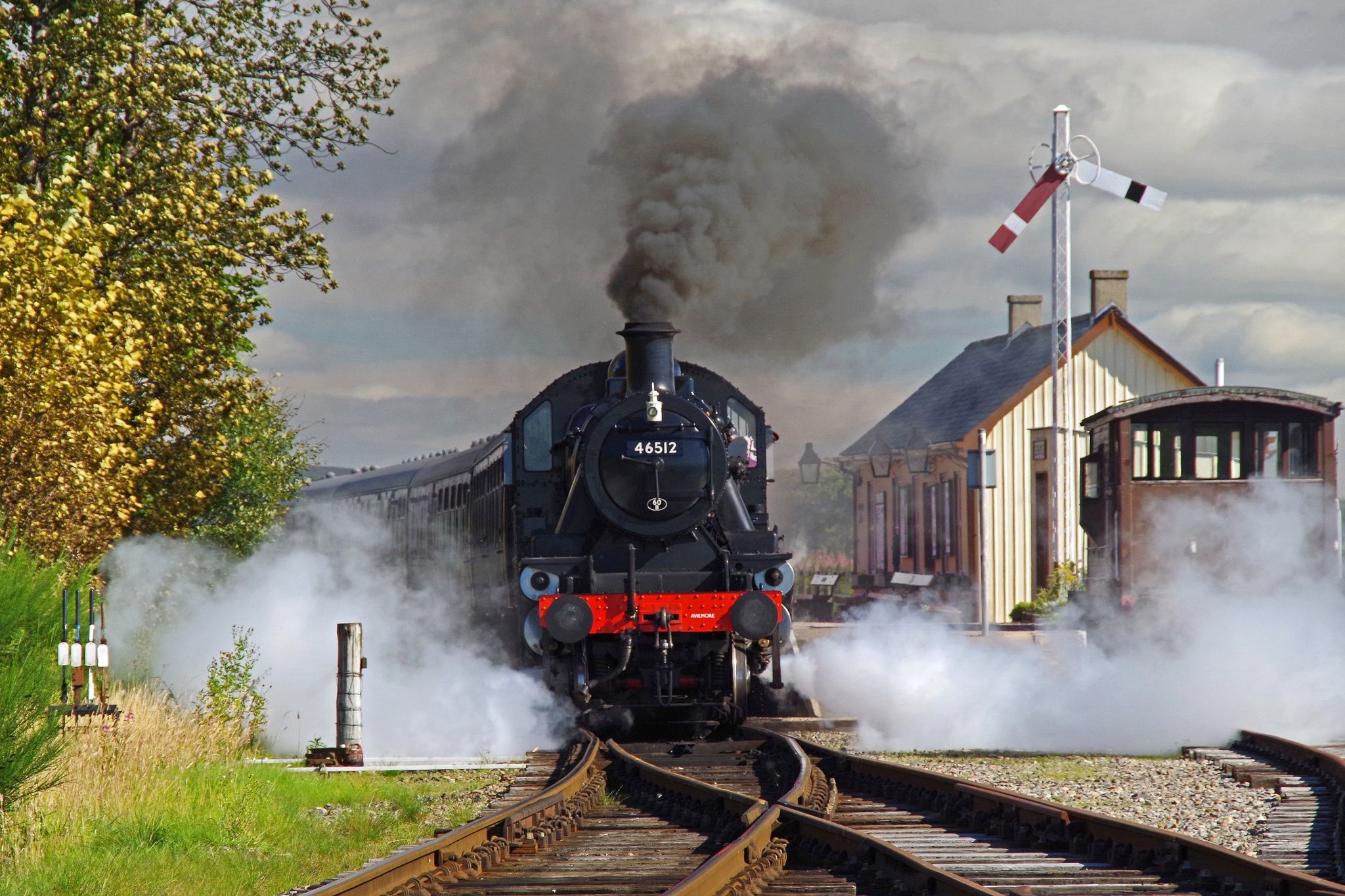
Train travel is the smarter choice when you want the journey to feel light. Scotland’s rail networkconnects all eight cities and many towns and villages, and official guidance presents train travel not only as practical transport but as a scenic experience in its own right.
For a first visit centred on Edinburgh, Glasgow, Stirling, Inverness, and a few well-chosen extras, rail can remove the two things many travellers underestimate most: city parking friction and the mental fatigue of unfamiliar roads.
Train also works best for solo travellers and for readers who do not want their holiday to revolve around navigation, parking, or left-side driving.
If the dream version of Scotland includes watching lochs and glens through a window, stepping off in a compact city, and using the occasional bus, tram, or guided day tour to fill gaps, rail is not a compromise. It is the point.
When A Hybrid Itinerary Gives You The Best Of Both
For many first-time travellers, hybrid is the sweet spot. The pattern is simple: use rail for the cities and long intercity moves, then rent a car only for the stretch where flexibility matters most.
A very workable version is Edinburgh by train and on foot, then a car from Inverness or another Highland base for two to four days of scenic touring, then back onto rail if needed.
That structure matches Scotland’s strong city rail links while avoiding unnecessary city driving.
Hybrid is especially good for first-timers who want one major scenic region done well rather than three done badly.
It keeps the trip from becoming a test of endurance, and it is one of the clearest ways to make Scotland feel generous instead of rushed. The next step is choosing the shape of the route itself.
Car Vs. Train Vs. Hybrid At A Glance
| Best fit | What it does well |
| Car | Rural freedom, scenic pull-offs, remote stops, flexible timing |
| Train | Easy city-to-city travel, lower stress, scenic corridors without driving |
| Hybrid | City convenience plus targeted rural access without overcommitting to a full self-drive |
Planner’s Note: I would rather see a first-time traveller cut one iconic stop than spend every day repacking, parking, and backtracking. Scotland rewards selectivity more than ambition.
Takeaway:Once your transport choice is clear, the smarter question becomes not what can I add? but what shape should this trip take?
Decide Your Trip Shape: One Base, Two Bases, Or A Loop
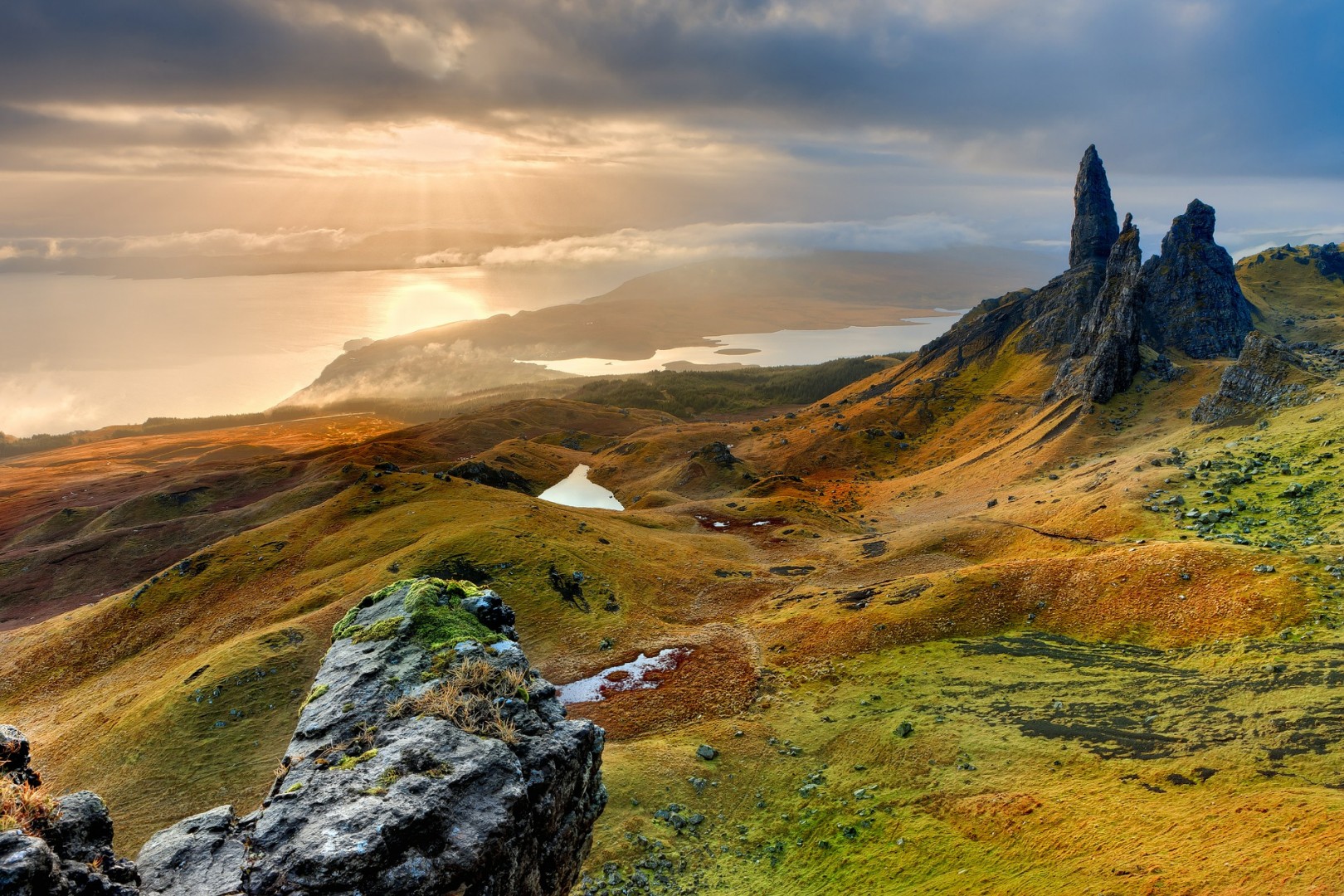
This section helps you control the pace of the holiday before the pace starts controlling you. The right route shape matters as much as the right destination list.
The Case For Staying In Two Or Three Bases
Most first-time Scotland trips feel better with two or three bases rather than a new bed every night.
A base lets you unpack once, absorb a place properly, and use your energy on experiences instead of logistics.
In practical terms, that might mean Edinburgh plus a Highland base, or Edinburgh, Inverness, and one west-coast or Skye-area stay if you have longer.
That structure also works with the way official transport networksare laid out: strong city hubs, then more selective regional access.
A one-base trip can work for a very short visit or a city-heavy stay. A loop can work beautifully once you have enough days to justify it.
The problem is not the loops themselves. The problem is building a loop that changes location so often that every day starts with luggage. That is the moment Scotland begins to feel like a checklist instead of a country.
Why Scotland Looks Small On A Map But Feels Bigger In Real Life
Scotland is often described officially as a relatively small country, and that is true in the abstract.
It is not true in the way most first-time itineraries behave. Scenic roads are slower than motorways.
Islands depend on ferry schedules. Rail is excellent in some corridors and less useful once you want scattered, rural stops.
Routes that look efficient on a screen can become tiring once weather, daylight, traffic, parking, and photo stops enter the picture.
That is why I can fit one more thing in is usually the wrong instinct. Scotland’s strongest memories tend to come from the spare hour at a viewpoint, the extra walk in Glencoe, the slower dinner in a small town, or the flexibility to stop when the weather suddenly clears.
A route with breathing room nearly always outperforms a route with more pins on the map.
How Much Moving Around Is Too Much In One Trip
A helpful rule for a first trip is this: if every day depends on a long transfer and a fresh check-in, you have probably crossed the line.
Five days usually support one main base plus one secondary base. Seven days can handle two or three bases.
Ten days allows a more satisfying loop, especially if one segment is rail and another is self-drive. That is not a hard law; it is the practical limit where the holiday usually remains a holiday.
First-Timer Reality Check: I’d trim a Scotland plan the moment it starts doing any of these:
- Trying to cover two cities, Skye, Loch Ness, and the NC500 in one week
- Changing hotels every night
- Treating ferry crossings as casual add-ons
- Assuming every short drive will stay short once viewpoints, weather, and single-track roads appear
- Keeping the car inside major cities when rail, trams, and walking would do the job better
Takeaway:Once you know the shape your trip can handle, the next decision is how many days you honestly need.
How Many Days Do You Really Need In Scotland?
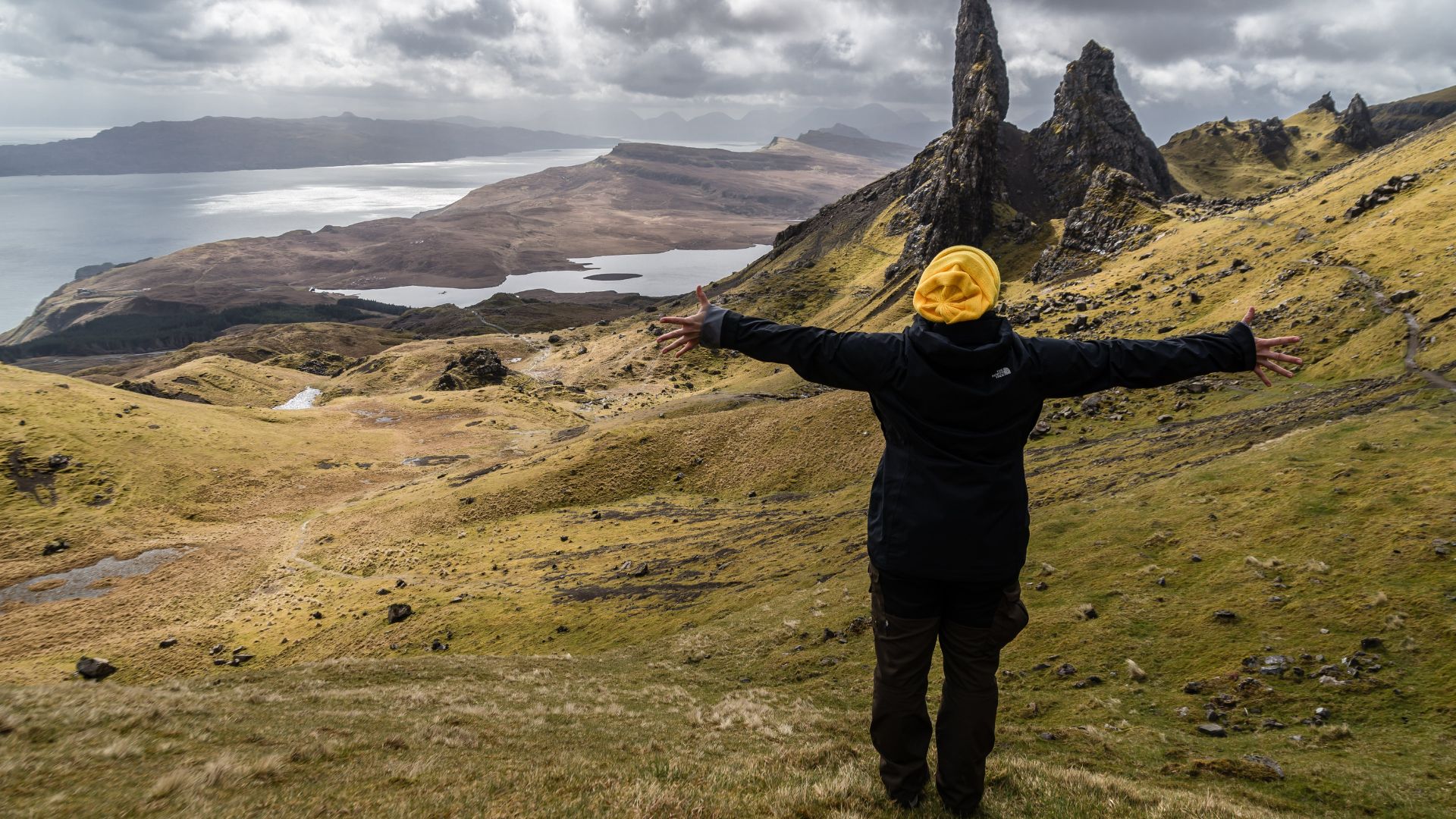
This section matches trip length to realistic expectations, not wishful packing. The goal is to leave you with a route you can actually enjoy.
A 5-Day Scotland Itinerary: Highlights Without Overload
Five days is enough for a satisfying first taste of Scotland, but not enough for a best of everything trip.
The strongest version is usually one city and one scenic region, not multiple major detours.
Think Edinburgh plus a Highland corridor, or Edinburgh plus Glasgow and a carefully chosen day trip.
Official planning pages and itinerary hubs support the idea that shorter Scotland trips work best when they stay focused rather than sprawling.
A realistic five-day shape might look like this: two nights in Edinburgh, then two nights in or near Inverness or another Highland base, with one travel day connecting them.
That gives you culture, atmosphere, and scenery without pretending you have seen the whole country. Five days is a highlights trip, and it is a good one when you know that.
A 7-day Scotland Itinerary: The First-time Sweet Spot
Seven days is when Scotland starts to breathe. It is the strongest first-trip length because it can support a proper arc: a city opening, a scenic core, and enough spare room to stop over-planning every hour.
With seven days, you can normally build around Edinburgh plus the Highlands and either a west-coast flourish or a deeper Highland loop.
A hybrid example works especially well here: arrive in Edinburgh, use rail or walking for the city, travel north, pick up a car only for the scenic segment, and stay two or three nights in a Highland base.
That structure gives you variety without turning the week into one long transfer. Seven days is also long enough to say no to a forced extra region and still feel like you had a substantial trip.
A 10-day Scotland Route: When You Want Depth, Not Speed
Ten days is when you can stop negotiating with the clock. It gives you permission to pick a third base, add a proper island or west-coast segment, or explore the Cairngorms, Skye, or a deeper Highland route without flattening the rest of the trip.
If you care about atmosphere as much as landmarks, ten days is the point at which Scotland often becomes memorable rather than merely impressive.
This is also the day count where a loop begins to make sense for more travellers. You can do Edinburgh, a central or Highland stop, and a west-coast or island focus without running on fumes.
The difference is not just the extra days. It is the extra margin for weather, scenic pauses, and human pace.
When The North Coast 500 Should Be Its Own Trip
The North Coast 500 is not a side quest for a rushed first visit. VisitScotland recommends at least 5 to 7 days for the route itself, and the official route length is 516 miles.
That alone should tell you that bolting it onto Edinburgh, Skye, and a general Highlands sampler inside one week is usually a planning error.
The NC500 makes sense when the road trip is the trip. It makes less sense when you really want a first-timer sampler with lighter driving and more varied experiences. In that case, a classic Highland route will usually serve you better.
Which trip length fits your goal?
| Trip length | Best used for |
| 5 days | One city + one scenic region |
| 7 days | First proper Scotland loop with realistic variety |
| 10 days | Slower, deeper route with room for Skye, Cairngorms, or a fuller west/north segment |
Takeaway:Once the day count is honest, you can choose the first-time route that delivers the biggest payoff.
The First-Time Scotland Route That Gives You The Biggest Payoff
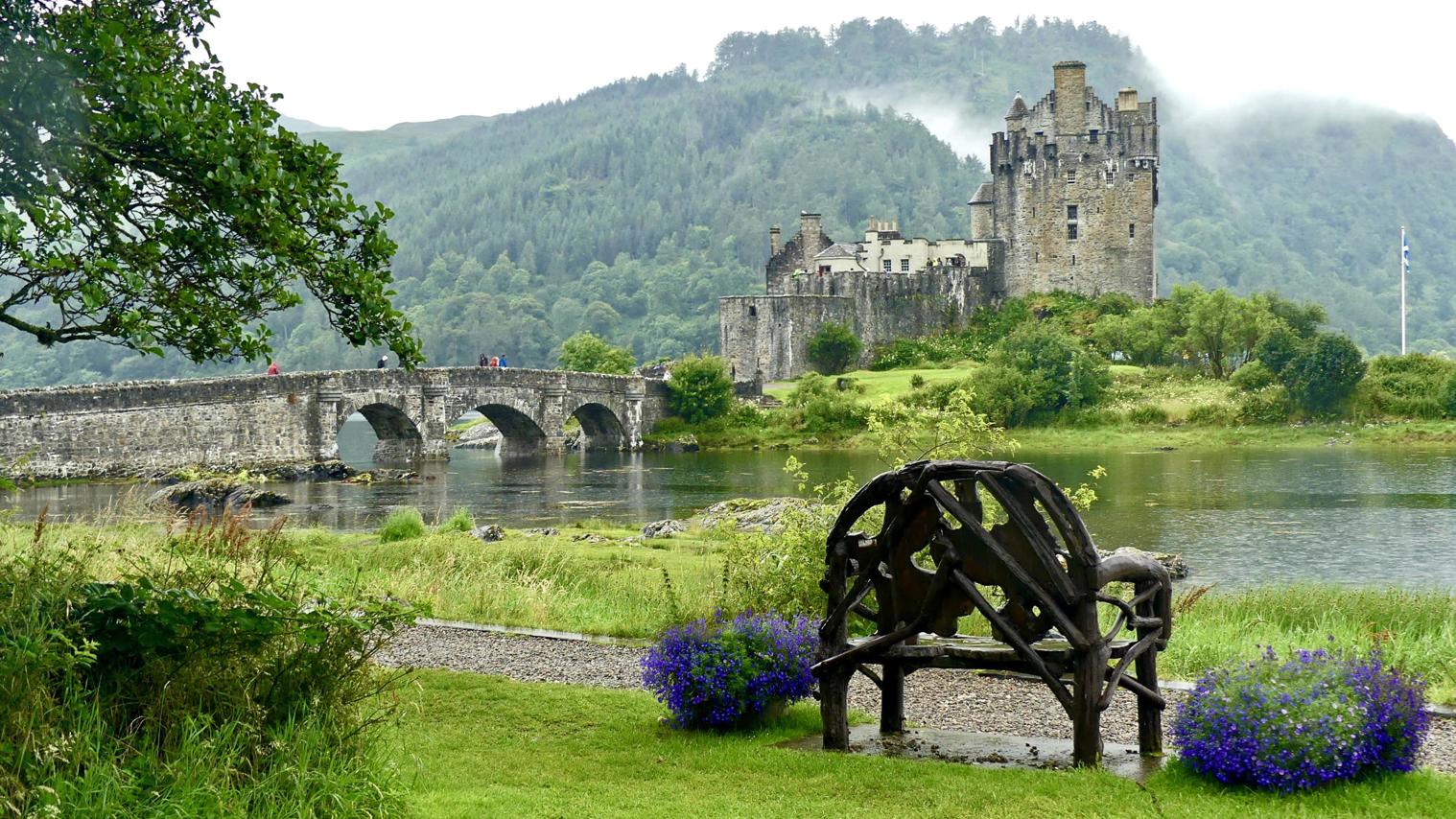
This section focuses on the choices that create the strongest first impression of Scotland. The aim is not to see everything. It is good to see the right combination well.
Edinburgh And Glasgow: How Much City Time You Actually Need
Edinburgh deserves real time on a first visit. It is walkable, visually dramatic, and easy to use as either an opening base or a short standalone city break.
Glasgow is rewarding too, especially for food, scottish music, museums, and a more local urban feel, but many first-time trips do not need equal time in both cities unless the total trip is longer.
Scotland’s rail network makes pairing or comparing the two easy, which is another reason a full-time car is not always necessary at the start.
A useful first-timer rule is this: if your trip is five days, choose one city as your anchor.
If you have seven or more, you can sample both, but only if that does not steal time from the scenic region you care about most.
Cities are where Scotland introduces itself; the Highlands are often where it becomes unforgettable.
The Highlands, Glencoe, And Loch Ness: The Classic Scenic Core
For sheer first-time payoff, the Highland core is hard to beat. Glencoe delivers drama without explanation.
Loch Ness adds a recognisable landmark that fits naturally into wider routes. Inverness works well as a practical base because it connects by rail, sits within reach of Loch Ness and Highland day trips, and supports both public transport and hybrid itineraries.
VisitScotland’s transport and itinerary materials consistently place these regions within easy planning reach for travellers building classic scenic trips.
This is the version of Scotland many people imagine before they arrive: open space, changing weather, mountains, lochs, and roads or rail lines that turn movement into part of the experience.
For a first trip, that classic core usually gives more return than scattering yourself across too many disconnected regions.
Isle Of Skye Vs. Cairngorms Vs. North Coast 500: What To Add And What To Skip
This is where good itineraries are won. Skye suits travellers who want iconic landscapes and are willing to dedicate enough time to reach and experience them properly.
The Cairngorms fit travellers who want mountain scenery, an outdoor feel, and a route that can slot more naturally into eastern or central Scotland.
The NC500 suits readers who want the road itself to be the headline. Official route and transport pages support all three, but they do not make them equally sensible for every first trip.
If you only add one, choose the one that matches the way you want to travel. Add Skye if the west-coast scenery is your emotional priority.
Add the Cairngorms if you want a cleaner, lower-friction route. Choose the NC500 only when you are willing to give it the space it asks for. Skipping one famous thing is often the smartest planning choice you will make.
Takeaway:Once you know which version of Scotland you actually want, logistics stop feeling like chores and start feeling like tools.
Plan The Logistics That Make Or Break A Scotland Trip

This section removes the hidden friction that usually causes rushed decisions later. Good logistics do not make a trip glamorous, but they do make it smooth.
Booking Trains, Ferries, And Travel Passes
Rail is easiest when you use official tools for live planning rather than static blog assumptions.
National Rail’s journey planner and ScotRail’s network maps are useful for seeing what is straightforward, what needs a change, and where the rail network starts thinning.
Traveline adds buses, ferries, trams, and live departures into one planning workflow, which is especially useful for hybrid trips and island-adjacent routes.
For rail-heavy trips, the Spirit of Scotland Travel Passcan be worthwhile when your route matches its coverage.
It currently includes trains within Scotland, selected coach routes, Edinburgh Trams, the Glasgow Subway, and some discounts on ferries and cruises.
ScotRail lists two current headline options: four days of unlimited travel over eight consecutive days for £155, or eight days over 15 consecutive days for £196.
Ferries should be treated as bookings, not as hopeful ideas. VisitScotland explicitly notes that ferries are popular and advises booking in advance.
That matters even more if a vehicle is involved, because some routes require a confirmed space before boarding.
The Booking Timeline You Cannot Ignore
There is a hidden logistical trap that catches many first-time planners: regional availability. Scotland’s most famous rural areas, particularly the Isle of Skye and the broader Highland corridors, have a strict ceiling on local accommodation.
If your trip includes Skye, Glencoe, or the North Coast 500 between June and August, treating accommodation as a flexible booking task is a fast way to break your itinerary.
For peak summer travel, hotels, local guesthouses, and vehicle ferry spaces routinely book out four to six months in advance.
If you wait until a few weeks before your trip to secure a bed on Skye, you will likely find yourself forced to stay far away on the mainland, turning what should be a relaxed island stay into a gruelling day of driving just to cross the bridge.
The rule for peak-season Highland travel is simple: book your beds and your ferry spaces the exact moment your transport mode and trip shape are locked.
Car Hire, Driving Realities, And Single-track Road Expectations
A rental car solves access, but it also changes the rhythm of the trip. In Scotland, you drive on the left, speed limits are signposted in miles per hour, and official driving guidance specifically warns visitors to understand single-track roads and passing places before heading into rural areas.
That is one reason city-heavy days and self-drive days often work better when separated.
One more reality worth knowing:Scotland’s cities are not always where a car feels most valuable.
If your trip starts in Edinburgh or Glasgow, that is usually the segment where rail, walking, or local transport does the most work for the least stress. The car tends to become valuable only once the route turns scenic and rural.
Where To Base Yourself So You Stop Packing Every Night
A good base is not just geographically convenient. It keeps your days from fraying at the edges.
Cities with strong onward links, or Highland hubs with multiple day-trip directions, generally outperform a chain of one-night stops.
Scotland’s official travel planning pages repeatedly emphasise the breadth of options once you are in the country; the practical lesson is to choose places that let you exploit that breadth without constant repacking.
For many first trips, that means one city base and one scenic base. If the trip is longer, a third base can work. Beyond that, the gains usually shrink quickly.
How To Use Live Planning Tools Before You Finalise Anything
Before paying for non-refundable pieces, test the route in live tools exactly as you would travel it.
Run the rail leg in National Rail or ScotRail. Run the connecting bus or ferry leg in Traveline.
Check any ferry operator details if a vehicle is coming. Then ask a blunt question: Does this day still look appealing after the timetable is real?
That step sounds obvious, but it catches a surprising amount: awkward arrival times, long transfer gaps, winter service reductions, and the point where an itinerary stops being elegant on paper and starts being annoying in practice.
Takeaway:Once the route works operationally, you can match the trip to your budget, season, and travel style.
Budget, Timing, And Season: How To Match Scotland To Your Style
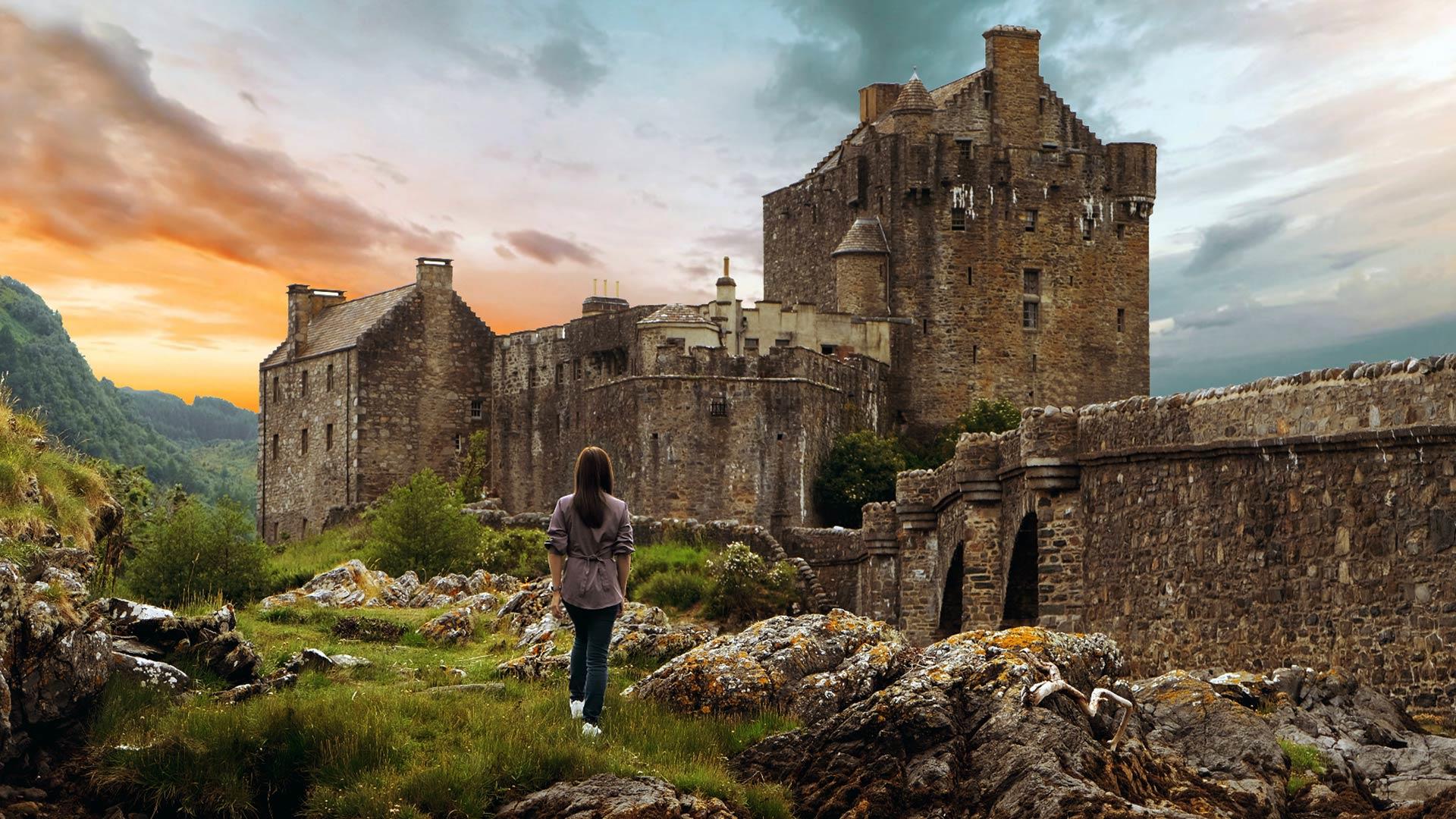
This section helps you spend in the right places and travel in the right season for the trip you actually want. Scotland changes shape with the weather, daylight, and demand.
What A One-week Scotland Trip Usually Costs In Broad Terms
There is no honest single number for a week in Scotland, because costs swing heavily with season, accommodation style, transport mode, and how many people are sharing the bill.
Official sources show the range clearly: Scotland offers everything from hostels and guesthouses to boutique hotels, self-catering stays, and higher-end accommodation, while travel passes and budget-focused planning pages underline how much route structure affects spend.
The practical version is easier to use than a headline figure. Solo travellers often do better on rail and public transport when the route is urban or corridor-based.
Couples or friends may find a car more competitive once rental and fuel are shared, especially outside the cities.
The most expensive version of a Scotland trip is often not the fanciest one; it is the one that keeps adding last-minute transport fixes, extra check-ins, and badly timed detours.
The Best Time To Visit Scotland For Scenery, Crowds, And Pace
Scotland’s official seasonal guidancemakes one point very clear: there is no single best season for everyone.
Spring brings warming days and a sense of reopening, summer offers long days and festival energy, autumn is especially scenic, and winter brings atmosphere, festivities, and a different kind of calm.
VisitScotland also notes that Scottish weather can change quickly, even within the same day.
For many first-timers, the best compromise is shoulder season thinking rather than a single fixed month.
The trip often feels better when you balance scenery and daylight against crowd pressure and availability.
That is another reason to plan the route around your style: a city-and-rail trip and a ferry-and-island trip do not peak in the same way.
What To Wear And What First-timers Usually Under-pack
The most useful Scotland packing advice is not glamorous: bring layers and a proper waterproof.
VisitScotland specifically recommends a waterproof jacket, an extra warm layer, an umbrella, and shoes you do not mind getting wet. That matters more than trying to solve Scotland through one perfect outfit.
Yes, you can wear jeans. The better question is whether the rest of your clothing can handle wind, rain, and changing conditions across a single day. Scotland does not ask you to dress formally. It asks you to dress responsibly.
Takeaway:Once the budget and season line up with your trip style, the last practical job is checking the official rules that can affect entry and movement.
The Official Details To Verify Before You Book
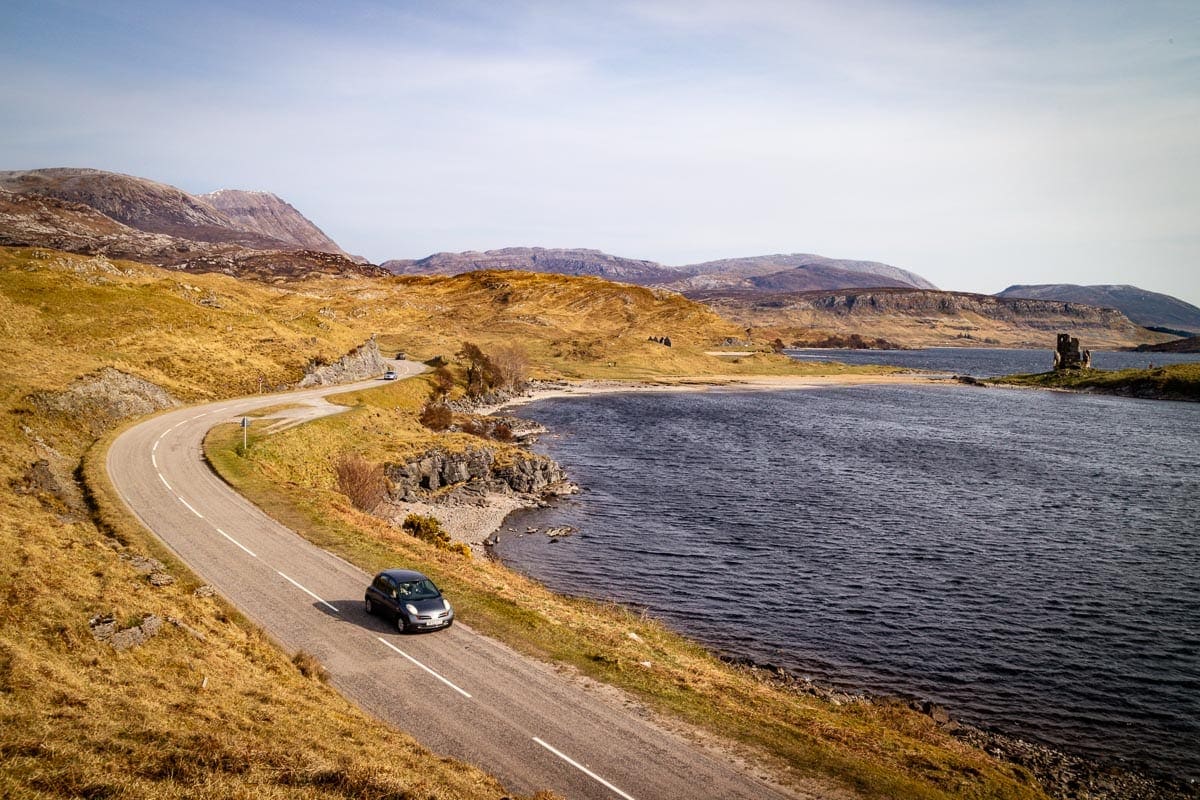
This section is about trust and recency, not drama. These are the details that can quietly derail a trip if you treat old advice as current advice.
ETA, Visa, And Passport Basics
Scotland follows UK entry rules, not a separate Scottish immigration system. GOV.UK states that an ETA allows travel to the UK for visits of up to six months, and many visitors now need either an ETA or a visa, depending on nationality.
The ETA overview page currently says an ETA costs £20, does not guarantee entry, and is required individually for each traveller, including children.
The nationality list was last updated on 9 April 2026, which is exactly why this is a verify before booking detail.
The current Home Office factsheet adds more useful detail: eligible visitors without an ETA cannot board transport unless exempt, transiting rules depend on whether you pass UK border control, and an ETA is a digital permission to travel rather than a visa or an automatic right to enter.
Customs And What You Can’t Bring In
GOV.UK’s border-control guidancesays travellers must declare goods over their allowance, banned or restricted goods, goods intended for sale, and certain amounts of cash.
The customs leaflet for Great Britain also notes that, from most countries outside the EU, travellers are not allowed to bring in meat, honey, or dairy products, with limited exceptions such as infant milk or medically required food.
That does not mean most travellers face a complicated customs process. It means what can I not bring to Scotland? It is really a UK customs question, and it should be answered from the official source, not from recycled packing lists.
Why Volatile Travel Facts Should Always Be Checked On Official Pages
Transport pass prices change. Ferry requirements change. ETA eligibility and costs change.
Even a current-looking travel article can age faster than the trip-planning cycle itself.
The safest travel habit is to treat official pages as the final checkpoint for anything involving entry rules, live transport operations, restrictions, or ticket validity.
That does not make planning harder. It makes planning cleaner, because you stop asking one page to do two jobs: inspire the trip and act as live regulation.
Takeaway:Once the rules are checked, the last thing standing between you and a good trip is usually a handful of very common planning mistakes.
The Mistakes That Make Scotland Feel Rushed
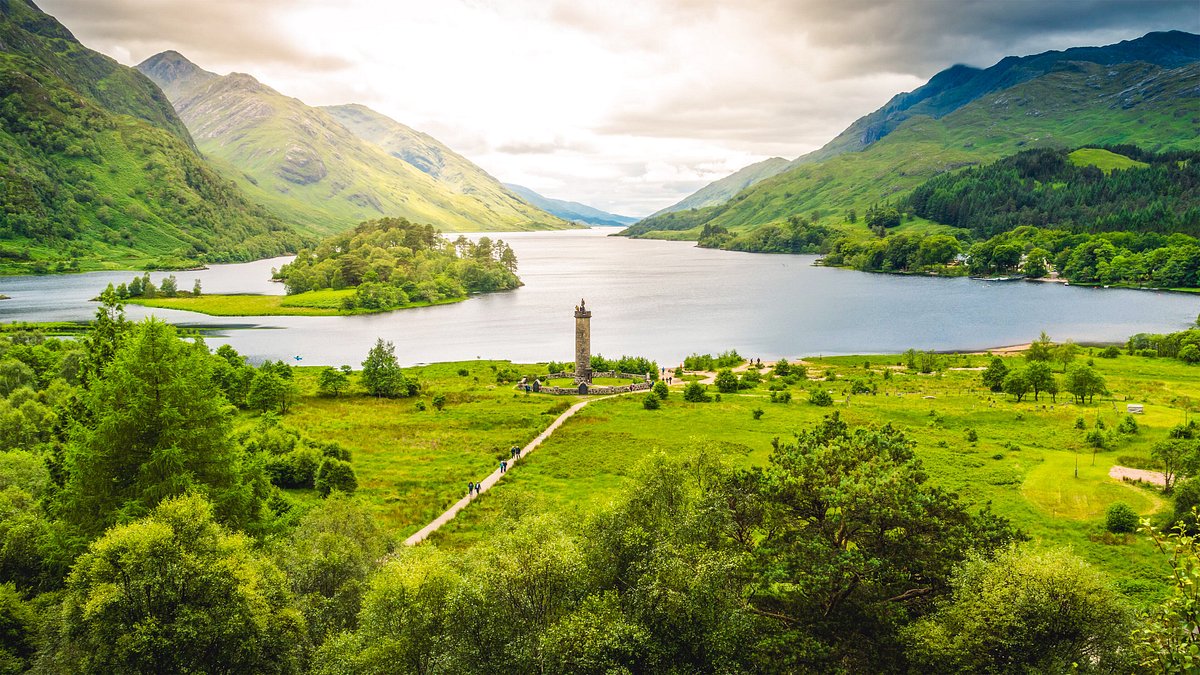
This section shows where good intentions usually go wrong. Most Scottish planning errors are not about missing something famous. They are about asking the route to do too much.
Trying To Do All Of Scotland In One Week
A week is enough for a strong Scotland trip, not for a complete one. The country’s official travel material makes clear that there are cities, scenic rail lines, ferry networks, touring routes, and island options spread across very different kinds of terrain and timing.
The more of that you try to compress into one week, the more the trip becomes about movement rather than memory.
The correction is not to make the trip smaller in spirit. It is to make it more coherent. Pick one headline version of Scotland and let that version breathe.
Underestimating Drive Times And Daylight
A road trip can look tidy until you remember the actual road. VisitScotland’s driving guidance flags left-side driving, speed-limit rules, and single-track realities.
Seasonal pages make clear that weather and daylight shape the feel of the journey. Those factors do not ruin road trips.
They simply punish overconfidence. A scenic day should have room for the scenic part.
The minute a route relies on perfect conditions and zero pauses, it has already become fragile.
Adding Skye And The NC500 When One Would Do
This is the classic first-timer overreach. Skye asks for time. The NC500 asks for time.
VisitScotland’s own NC500 guidance recommends at least 5 to 7 days for that route alone.
When travellers try to combine both cities and general Highland highlights inside a short trip, they usually end up experiencing all of them superficially.
The better choice is not which is more famous? It is which one matches my trip’s purpose? Once you answer that honestly, the route usually simplifies itself.
Treating Ferries And Island Travel Like Last-minute Details
Ferries are part of the trip architecture, not a decorative extra. VisitScotland advises booking in advance and notes that some vehicle-carrying situations require confirmed space before boarding.
If an island is central to the trip, ferry planning belongs near the start of the planning process, not the end.
That single habit prevents a lot of downstream chaos. Once ferry logic is real, the rest of the route can become realistic too.
Takeaway:With the big planning traps out of the way, the remaining questions become short, direct, and easy to answer.
Frequently Asked Questions
These are the quick answers most first-time planners still need after the route starts taking shape. Keep them as your final sense-check before booking.
What Is The Best Way To Travel Around Scotland?
The best way depends on your route: car for rural freedom, train for city-to-city ease, and hybrid for the best first-time balance across both. Scotland has strong rail links and road-trip infrastructure, so the right answer is about fit, not ideology.
Can You Travel Around Scotland Without A Car?
Yes. Scotland’s rail network connects all eight cities and many towns, and Traveline can help piece together buses, ferries, trams, and live departures. The tradeoff is that some remote scenic areas become slower or more tour-dependent.
Is Driving In Scotland Worth It?
Usually yes for Glencoe, Skye, scenic stop-heavy routes, and flexible Highland days. It is less essential for short city-heavy visits, especially when rail and walking can handle the urban segment more easily.
Is Scotland Easy To Get Around By Train?
Yes, on the main corridors. Official guidance says rail reaches all eight cities and many towns and villages, but the network becomes less complete once your plan depends on scattered rural stops or island access.
How Many Days Do You Need In Scotland?
Five days gives you highlights, seven days is the strongest first-time balance, and ten days gives you room to slow down and add depth. The real answer depends on how many bases and regions you are trying to include.
Is 7 Days Enough For Scotland?
Yes, if the route is selective. Seven days is enough for a classic first trip, but not enough to combine multiple distant regions and still travel at a relaxed pace.
Should First-timers Do The North Coast 500?
Only if the road trip itself is the main event. VisitScotland recommends at least 5 to 7 days for the NC500 alone, so it works best as a dedicated trip rather than a rushed add-on.
Do You Need A Visa Or An ETA For Scotland?
Some travellers do. Scotland follows UK entry rules, and GOV.UK says many visitors now need either an ETA or a visa, depending on nationality.
What Can You Not Bring To Scotland?
The key restrictions come from UK customs rules. GOV.UK says you must declare banned or restricted goods, and from most countries outside the EU, you cannot bring in meat, honey, or dairy products except for limited exceptions.
Can I Wear Jeans In Scotland?
Yes. The practical packing issue is not whether jeans are allowed, but whether you also have layers and waterproof gear. VisitScotland recommends a waterproof jacket, an extra warm layer, an umbrella, and shoes you do not mind getting wet.
Takeaway: Once those answers are settled, the final decision is simply choosing the version of Scotland you want most.
Last But Not Least
The happiest first-time Scotland trips rarely belong to the people who tried to cover the country.
They belong to the people who matched the route to the way they wanted to travel.
Car, train, and hybrid can all be right. The mistake is assuming one mode should carry every version of the trip.
A good first trip usually does three things well: it chooses a realistic day count, gives one signature region enough room, and respects the live details that can change under your feet.
Once you do that, Scotland stops feeling like a puzzle to solve and starts feeling like a place to inhabit.
Save this plan while you build your route, and if you are planning with someone else, send it to them before the map fills up with maybe we can squeeze this in ideas.
Jump to
Travel Around Scotland For The First Time: Car, Train, Or Hybrid
Choose The Best Way To Travel Around Scotland Before You Choose Your Stops
Decide Your Trip Shape: One Base, Two Bases, Or A Loop
How Many Days Do You Really Need In Scotland?
The First-Time Scotland Route That Gives You The Biggest Payoff
Plan The Logistics That Make Or Break A Scotland Trip
Budget, Timing, And Season: How To Match Scotland To Your Style
The Official Details To Verify Before You Book
The Mistakes That Make Scotland Feel Rushed
Frequently Asked Questions
Last But Not Least

Marcus Vale
Author
Marcus Vale is the founder of Island Flave and a travel writer covering global destinations, famous places, island escapes, cultural landmarks, and the people connected to remarkable locations around the world.
Guided by curiosity and careful research, Marcus explores what makes places memorable — from history, food, festivals, and local traditions to the artists, athletes, musicians, actors, icons, and public figures linked to certain cities, islands, neighborhoods, and landmarks.
At Island Flave, Marcus creates clear, well-researched, and easy-to-read guides built around public information, responsible storytelling, and helpful destination context. His writing focuses on cultural relevance, neighborhood-level insight, travel value, and the public stories and cultural connections that help readers understand where to go, what a place is known for, who is connected to it, and why it matters.
Rather than chasing gossip or private details, Marcus focuses on the bigger picture: the places people talk about, the meaning behind them, and the cultural details that make them worth knowing.
Latest Articles
Popular Articles