Island Escapes Amid Turmoil: Financing Adventures When Routes Shift
Remote islands promise turquoise waters and quiet shores, yet reaching them in 2026 often demands fresh thinking about costs and contingencies.
Author:Marcus ValeJul 12, 20264.3K Shares62.3K Views
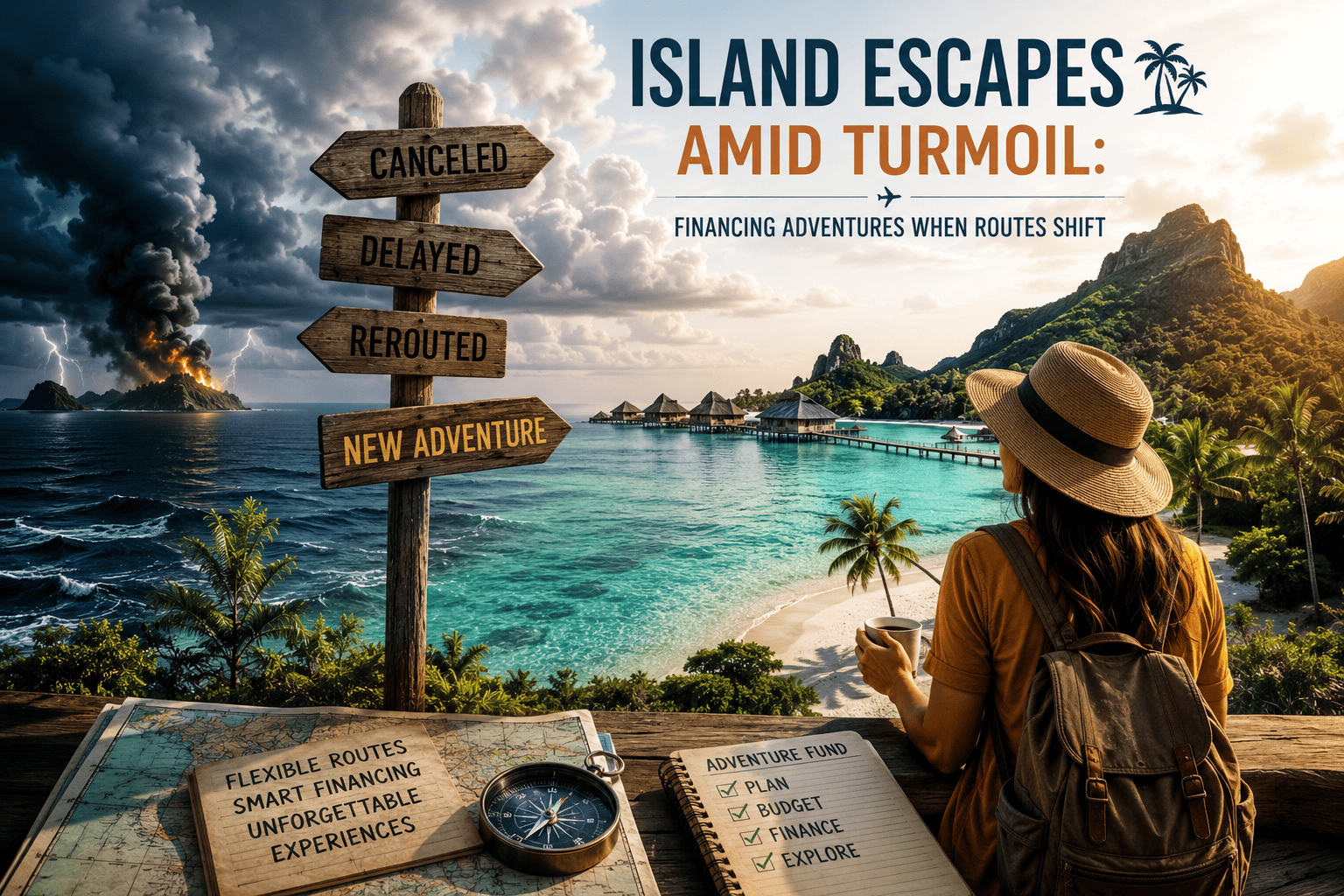
Remote islands promise turquoise waters and quiet shores, yet reaching them in 2026 often demands fresh thinking about costs and contingencies. Where flyers once clicked through bookings without a second thought, today's explorers weigh how far-off conflicts can spike fares, alter coverage, and inflate on-site costs.
Consider the logistics of hopping between Pacific atolls or Caribbean cays when energy markets fluctuate. Oil price swings tied to shipping lanes can lift airfares without warning, as seen when Red Sea tensions in 2024 pushed fuel surcharges on routes to Fiji up nearly 25 percent. Independent coverage from the Financial Times highlights recent U.S. strikes following declarations about the Strait of Hormuz, underscoring how quickly maritime chokepoints affect global travel economics. Island visitors feel the downstream effects in higher ferry costs or limited flight schedules from mainland hubs.
Health considerations add another layer. Recent reports detail the first patients enrolled in a record-breaking Ebola treatment trial in the DRC. While the immediate outbreak sits far from typical island itineraries, travel newsprompts travelers to review medical evacuation clauses and vaccine requirements before departure—much like the extra yellow-fever checks now standard for visits to parts of the Lesser Antilles. Islands with limited healthcare infrastructure reward those who arrive with layered protections rather than last-minute scrambles.
Many turn to Loansto bridge gaps when original budgets fall short after sudden route changes or extended stays. The decision works best when paired with clear repayment timelines and a realistic assessment of on-island earning potential through remote work.
Mapping Routes Around Shifting Geopolitics
Island chains near sensitive waterways require contingency maps. A planned stop in the Indian Ocean might reroute through longer but more stable corridors, such as swinging via Singapore rather than direct paths near the Bab el-Mandeb. Travelers now build extra buffer days into itineraries, accepting that a single delay can cascade into missed connections. Local operators on smaller islands often lack the capacity to absorb last-minute cancellations, so flexible booking terms become essential.
Some explorers maintain relationships with multiple regional carriers rather than relying on one airline alliance. This approach preserves options when headlines alter airspace permissions overnight. Preparation extends beyond tickets. Travelers study port schedules for cargo vessels that double as passenger ferries, noting which services pause during regional tensions. Packing lists shrink to essentials that fit carry-on limits, reducing fees if checked baggage rules tighten. Digital copies of passports and insurance documents live on encrypted drives rather than single devices. The goal is maintaining momentum even when official channels slow.
Layering Protections Against Health Variables
Island medical facilities range from well-equipped clinics to basic outposts reachable only by boat. Updated travel health notices influence destination selection more than ever. Visitors cross-reference outbreak maps with vaccination records months ahead. Travel insurance now routinely includes pandemic coverage riders, though policy language varies widely between providers. Some adventurers carry personal first-aid kits stocked for tropical conditions, including rehydration salts and broad-spectrum antibiotics prescribed before departure. Recent developments include a record-breaking Ebola treatment trialin the DRC.
Communication plans matter equally. Sharing daily check-in protocols with family or trusted contacts ensures rapid response if symptoms arise far from reliable networks. Local SIM cards purchased on arrival provide backup when roaming fails. Communities on remote atolls often maintain informal mutual-aid systems that assist visitors during short-term crises, yet relying on them requires prior cultural sensitivity and genuine relationship building rather than transactional exchanges.
Exploring Alternative Funding Networks
Traditional savings accounts no longer cover every ambitious itinerary. Recent analysis of online communities shows growing interest in crypto trading groups for generating travel capital. Published analysis points to several established forums where participants share strategies for profitable trades in 2026, including Telegram channels focused on stablecoin swings that helped nomads cover three-month stays in the Azores last year. These spaces emphasize education and risk management over quick gains, yet they attract digital nomads who convert earnings into flights and long-term island rentals.
Success hinges on treating trading as a skill rather than a lottery. Participants often allocate only a portion of discretionary funds, keeping core travel reserves untouched. Island stays become more feasible when side income covers daily expenses like fresh seafood markets or local guesthouses. Still, volatility remains real, so diversified approaches that blend trading with freelance work or seasonal contracts tend to deliver steadier results.
Building A Resilient On-Island Budget
Once on the ground, daily costs require ongoing adjustment. Local currencies on some islands fluctuate with imported fuel prices. Cash remains king in many markets, while card acceptance varies by establishment size. Travelers who monitor exchange rates through multiple apps avoid unfavorable conversions at airport kiosks; tools like Wise often beat airport desks by 4–6 percent on Pacific currencies. Cooking simple meals from harbor-fresh ingredients stretches funds further than repeated restaurant visits.
Longer stays unlock better rates on weekly rentals and informal work exchanges. Bartering skills such as photography or basic repair work sometimes offsets lodging. The key remains matching expectations to reality: an island escape in uncertain times rewards patience and adaptability over rigid itineraries. Those who plan financing with the same care given to packing lists return home with stories rather than regrets about depleted accounts.
Ultimately, successful island travel in 2026 blends awareness of global currents with practical personal safeguards. Routes may shift, health protocols evolve, and funding sources diversify, yet the core appeal of turquoise horizons persists for those willing to prepare accordingly.

Marcus Vale
Author
Marcus Vale is the founder of Island Flave and a travel writer covering global destinations, famous places, island escapes, cultural landmarks, and the people connected to remarkable locations around the world.
Guided by curiosity and careful research, Marcus explores what makes places memorable — from history, food, festivals, and local traditions to the artists, athletes, musicians, actors, icons, and public figures linked to certain cities, islands, neighborhoods, and landmarks.
At Island Flave, Marcus creates clear, well-researched, and easy-to-read guides built around public information, responsible storytelling, and helpful destination context. His writing focuses on cultural relevance, neighborhood-level insight, travel value, and the public stories and cultural connections that help readers understand where to go, what a place is known for, who is connected to it, and why it matters.
Rather than chasing gossip or private details, Marcus focuses on the bigger picture: the places people talk about, the meaning behind them, and the cultural details that make them worth knowing.
Latest Articles
Popular Articles