How Long Do Hummingbirds Live: Average Vs Record Lifespan
How long do hummingbirds live in the wild? See average vs record ages, why year one is hardest, and simple backyard fixes for feeders, cats, and windows.
Author:Marcus ValeApr 13, 2026600 Shares299.7K Views
How Long Do Hummingbirds Live? The Fast-Paced Lifecycle Explained
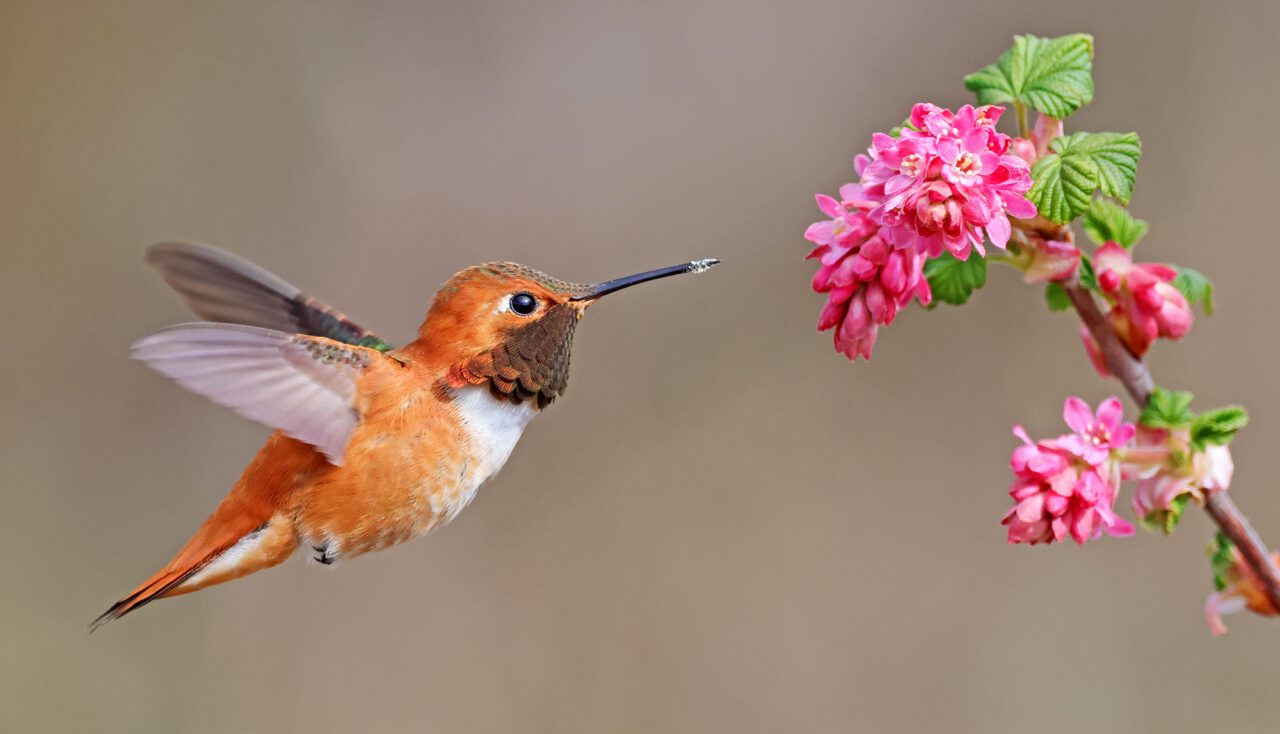
Watch a hummingbird suspended in mid-air, and you are witnessing a masterpiece of natural engineering. Their iridescent feathers and impossibly fast wings blur the line between reality and high-frame-rate animation.
As someone who spends their life analysing the intricacies of visual storytelling and narrative arcs, I find the hummingbird's biological story to be one of the most compelling dramas in the natural world. Their entire existence is a high-stakes battle against time, physics, and their own extreme metabolism.
You might wonder how long a creature running on such a microscopic, high-performance engine can actually survive. The answer is a fragile balance of 3 to 5 years, though reaching that milestone requires overcoming monumental daily obstacles.
We will examine the intense biology that dictates the lifespan of hummingbirds, the relentless threats they face, and the actionable steps you can take to help these brilliant aviators script a longer, safer journey in your own backyard.
Key Takeaways:
- Average Wild Lifespan:3 to 5 years, heavily dependent on surviving their perilous first migration.
- Maximum Wild Lifespan:Over 12 years, documented by official bird banding researchers.
- Captive Lifespan:Up to 10 to 14 years within the predator-free, climate-controlled environments of specialised zoos.
- First-Year Danger: The initial 12 months are the most lethal; many juvenile hummingbirds do not survive their first journey south.
The Numbers: Average Vs. Maximum Hummingbird Lifespan
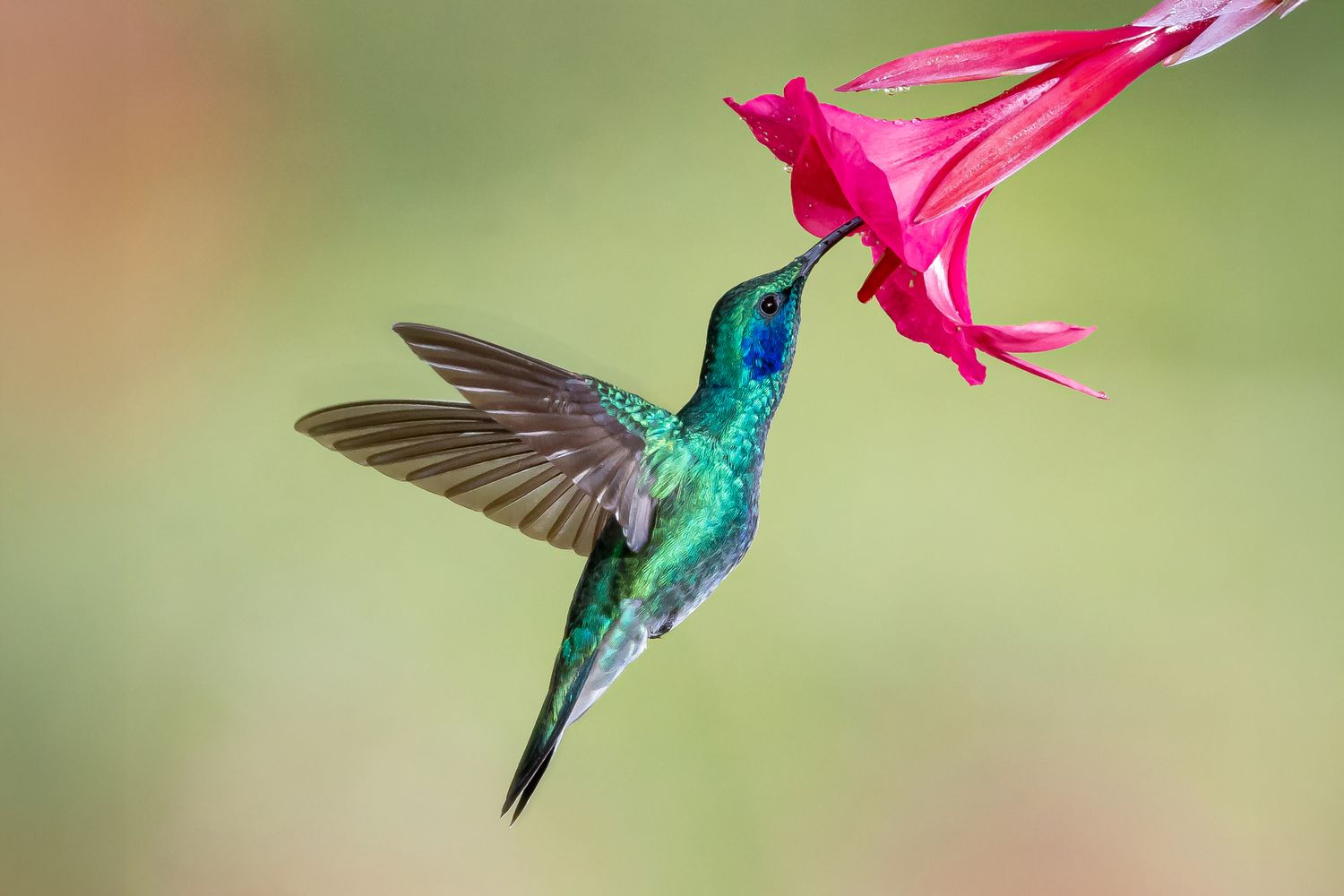
Understanding the true life expectancy of a hummingbird requires separating the harsh reality of the wild from the theoretical limits of their biology. Their lifespan is not a fixed guarantee, but a biological potential constantly tested by their environment.
The 3-to-5 Year Wild Average
For a wild North American hummingbird, such as the Ruby-throated or Rufous, the average lifespan hovers between 3 and 5 years. This number accounts for the exceptionally high mortality rate among juveniles.
The first year of life is a brutal gauntlet of learning to forage, avoiding predators, and navigating their first intercontinental migration.
Once a hummingbird completes its first full annual cycle, its statistical chances of living to that 5-year mark increase significantly.
How Long Do Hummingbirds Live In Captivity?
When the relentless pressures of wild survival are removed, the hummingbird's biological clock stretches remarkably. In highly specialised captivity, such as certified aviaries and zoological parks, hummingbirds can live between 10 and 14 years.
These captive environments eliminate the threat of predators, provide a perfectly calibrated daily diet of nectar and proteins, and completely bypass the exhaustion of seasonal migration.
Record-Breakers: The Oldest Hummingbirds Ever Tracked
Researchers use a highly specialised practice called bird banding to track individual lifespans over time. Because of the bird's miniature size, a hummingbird band is incredibly tiny-roughly the size of a grain of rice-and requires a magnifying glass to read the unique ID number.
According to data from the USGS Bird Banding Laboratory, the oldest known wild hummingbird was a female Broad-tailed hummingbird.
She was captured and successfully re-identified in the wild at over 12 years of age. Such records are rare, representing the absolute pinnacle of survival luck and genetic resilience.
Lifespan Data Comparison
| Environment / Condition | Documented Lifespan |
| Wild Average | 3 to 5 years |
| Captivity Zoos/Sanctuaries | 10 to 14 years |
| Wild Maximum Recorded | 12+ years |
These numbers only frame the outward narrative; the true marvel lies in how their microscopic bodies process time on a cellular level.
The First-year Bottleneck, Where Most Lifespan Is Lost
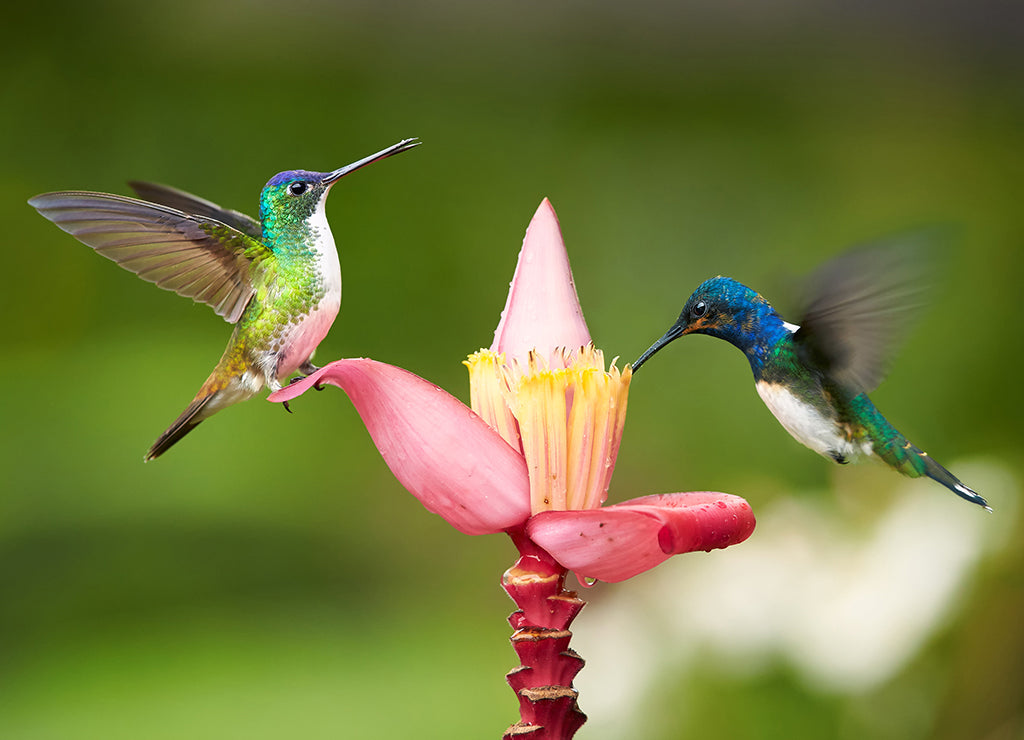
If hummingbirds had chapter titles, year one would be the arc where the stakes stay high even when the bird looks fearless.
Predators, Weather, And Food Gaps
American Bird Conservancy notes hummingbirds usually don’t die of old age-they face threats like cold weather, habitat loss, cats, pesticides, and collisions.
A first-year bird is also learning the map: where nectar appears, which flowers refill when, which perches are safe, and how to dodge ambush predators.
Nest-to-fledgling Risks Brief, High Value
In many species, the female handles nesting and chick care alone, and nestlings depend on a mix of nectar and small insects. ABC describes this life-cycle pattern and the short window many birds have to breed.
Even after fledging, young birds are still new at the most important skills: efficient feeding routes and predator awareness.
One-sentence bridge: Survive year one, and a hummingbird’s odds improve, but the world still keeps score. Next, we’ll name the biggest lifespan-shorteners you can actually influence.
What Shortens Or Extends A Hummingbird’s Life In The Wild
This is the section where lifespan stops being abstract and becomes practical: what ends hummingbird lives, and what you can change around your home.
Predation, Including Backyard Risks Like Cats
Cats show up again and again in conservation guidance because they’re an unusually effective predator in human landscapes. ABC specifically calls out predation by domestic cats as a threat to hummingbirds.
Illustrative scenario: A hummingbird visits a feeder that’s perfect for a person, right beside the window, while a cat waits below the sill. The bird doesn’t need to be slow; it only needs one moment of distraction.
Collisions With Windows, Fences, And Human Structures
ABC also highlights collisions with windows and vehicles among the human-caused threats hummingbirds face.
If you want one high-ROI change, this is it: reducing glass strikes saves birds without requiring them to behave better.
Disease + Feeder Hygiene: What Matters, What’s Overblown
Feeder hygiene is one of the few places a backyard decision can directly reduce illness risk.
The USDA’s Ruby-throated Hummingbird habitat leaflet recommends:
- Nectar made with one part table sugar to four parts boiling water
- Cleaning and changing nectar every 3-4 days, more often in hot weather
- No red food colouring, honey, or artificial sweeteners
Takeaway: Lifespan is shaped by many things you can’t control, but the preventable risks-cats, windows, spoiled nectar-are real levers. Next, we’ll talk about the hummingbird’s greatest survival trick: energy math.
The Biology Of Ageing: A Life Lived In Fast Forward
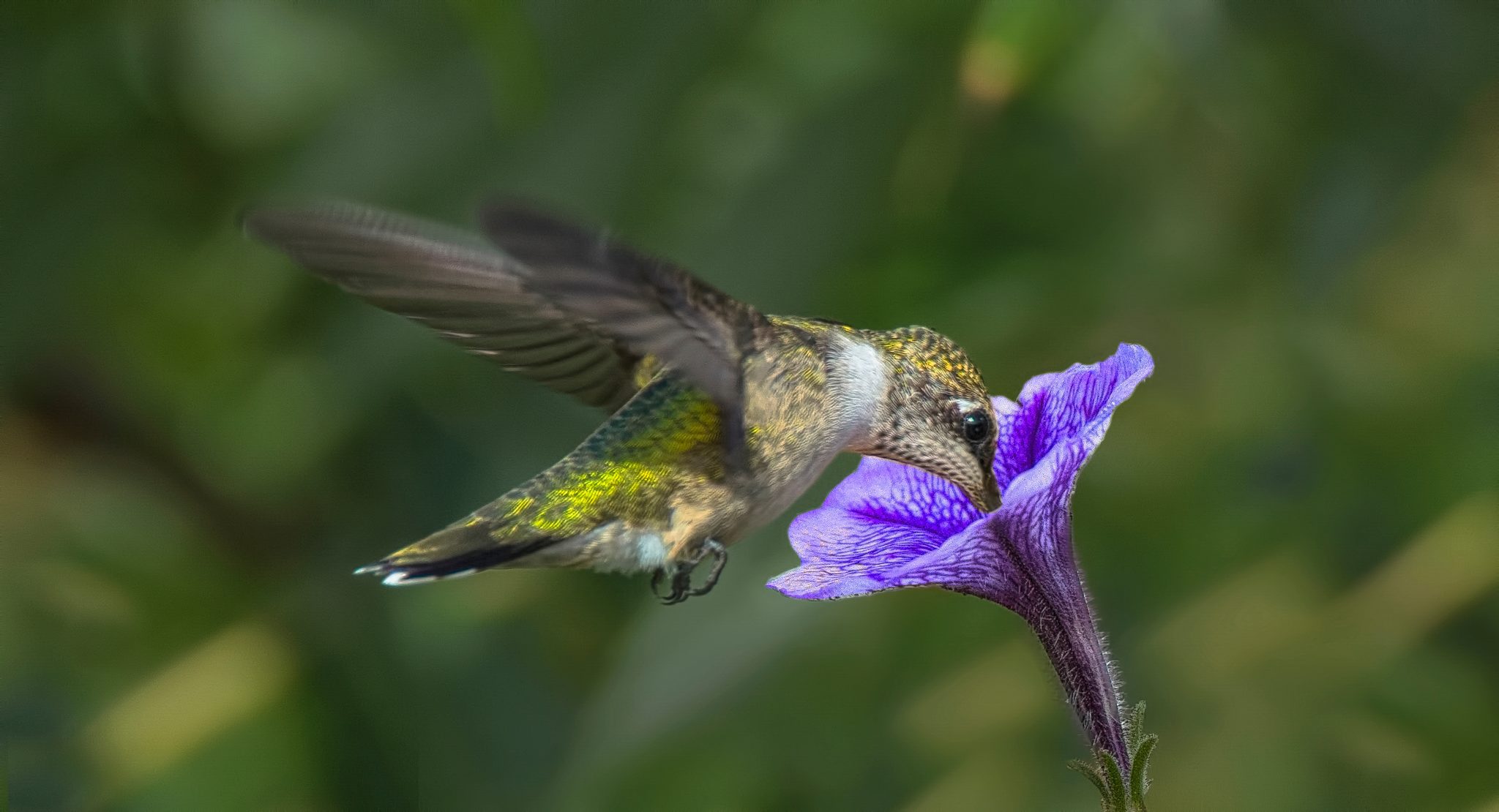
A hummingbird’s body is a biological engine constantly running at maximum capacity. Their heart can beat over 1,200 times per minute during flight, and their wings can flap up to 80 times per second. This extreme exertion makes their daily existence a delicate balancing act.
The Metabolic Tightrope
Hummingbirds possess the highest metabolic rate of any warm-blooded animal on earth. To fuel this blazing internal furnace, they must consume half their body weight in sugar every single day.
If a hummingbird is deprived of food, it can starve to death in as little as 3 to 5 hours. Every waking moment is a frantic quest for calories, primarily sourced from flower nectar and supplemented by vital proteins from small insects.
The Cost Of Courtship: Why Females Outlive Males
When looking at survival data, ornithologists frequently note that female hummingbirds tend to outlive males. The male's lifespan is often shortened by his highly aggressive lifestyle.
Males are fiercely territorial, burning massive amounts of caloric energy, engaging in mid-air dogfights to protect nectar sources.
Furthermore, species like the Anna's hummingbird perform punishing, high-speed courtship dives that subject their tiny bodies to immense G-forces.
Females, while bearing the sole burden of raising the chicks, live slightly more conservative lifestyles that statistically favour a longer lifespan.
Torpor: The Nightly Survival Mechanic
To prevent starving to death while they sleep, hummingbirds utilise a brilliant biological failsafe called torpor.
Torpor is a deep, sleep-like state where the bird drastically lowers its body temperature and slows its heart rate to as few as 50 beats per minute.
By essentially shutting down their internal engine, they conserve up to 60% of their available energy overnight. When the sun rises, it can take up to an hour for the bird to physically boot up and resume its frantic search for sustenance.
Mastering their own internal clock through torpor allows them to face external dangers with relentless, renewed energy each dawn.
Lifespan Differences By Species: Why Migration Matters
Not all hummingbirds face the same final bosses in the wild. The story of a hummingbird's lifespan is entirely dictated by its geography and the specific environmental hurdles it must overcome.
While some species reside in mild, predictable climates surrounded by winter blooms, others undertake epic intercontinental flights where a single unexpected storm can abruptly rewrite their final chapter.
What Actually Makes One Species More Likely To Reach Old Age Than Another
Two hummingbirds can be equally skilled flyers and still face very different odds depending on their annual schedule.
Species differ in how far they travel, how narrow their breeding window is, where they overwinter, and what hazards dominate their everyday life.
A bird that can stay in a region with winter flowers trades some migration risk for a different set of threats, like dense human development, cats, and glass.
A bird that must migrate long distances adds more dice rolls each year-storms, food gaps, stopover scarcity, and exhaustion-especially for young birds.
Migration Is A Risk Multiplier, Not A Guarantee Of A Shorter Life.
Migration doesn’t automatically mean a hummingbird will live fewer years. It means each year contains more high-stakes segments where one bad stretch of weather or one poorly timed food gap can end the story.
Cornell’s species accounts underline this seasonal pattern in plain terms: some hummingbirds are present briefly and then depart for wintering grounds, while others remain in place for much of the year.
The Ruby-Throated Journey: Migration-Linked Pressures
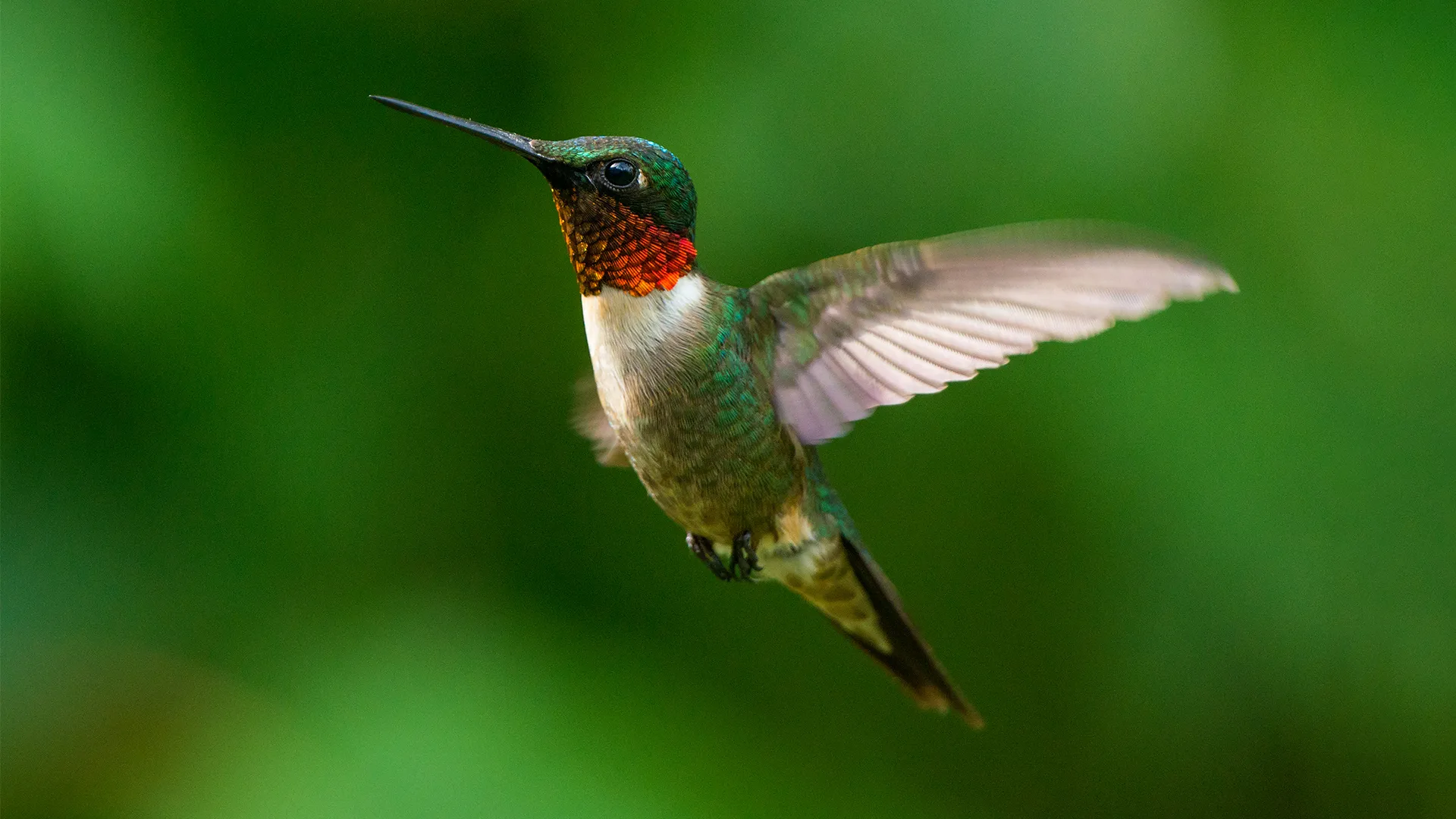
The Ruby-throated hummingbird serves as the primary protagonist in most Eastern North American backyards.
Ornithologists and extension educators consistently place their average lifespan at around three to four years, a number intrinsically linked to the immense physical tax of their annual migration.
Picture a juvenile bird, weighing little more than a copper penny, instinctively launching itself over the open expanse of the Gulf of Mexico.
The sheer endurance required to complete this non-stop flight means that any sudden headwind or unseasonal squall can be fatal, making this crossing the ultimate filter for their overall life expectancy.
Anna’s Hummingbirds: Overwintering And Urban Contexts
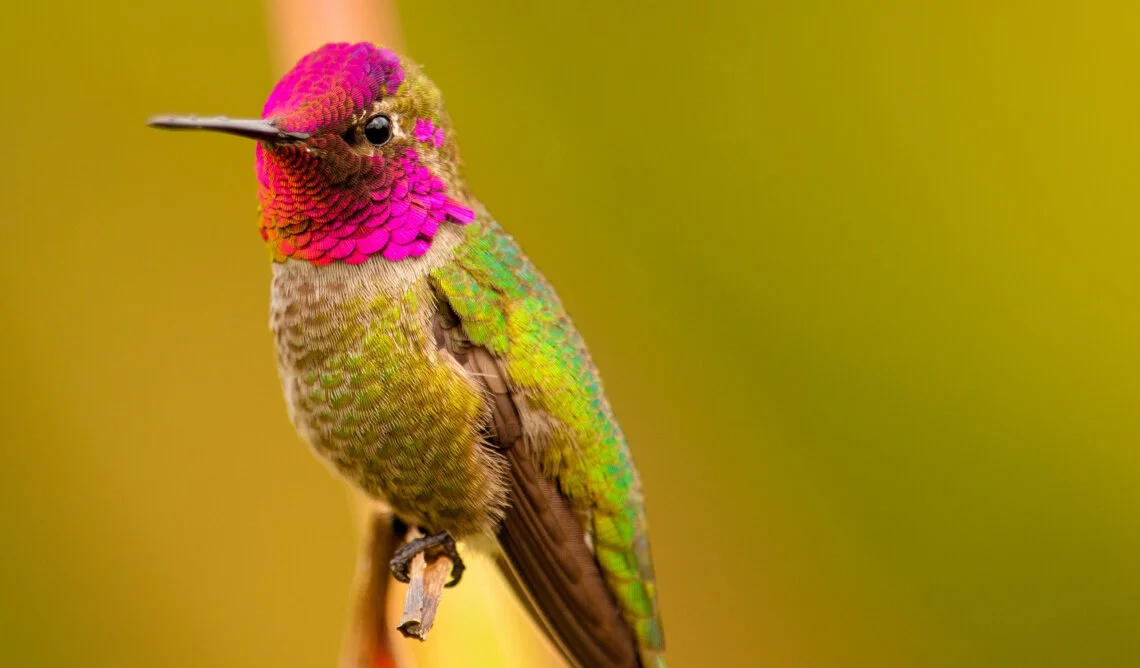
In stark contrast, the Anna’s hummingbird navigates a completely different set of survival stakes.
By adapting to overwinter in milder western climates and relying on urban gardens that bloom year-round, many individuals bypass the gruelling gauntlet of long-distance migration entirely. However, this stationary lifestyle simply trades atmospheric dangers for terrestrial ones.
While they avoid the exhaustion of crossing oceans, their daily risk profile shifts toward surviving high-density urban hazards, forcing them to constantly evade domestic cats and navigate the deadly, invisible barriers of modern reflective windows.
The Rufous Route: Long-Distance Travellers And Risk Framing
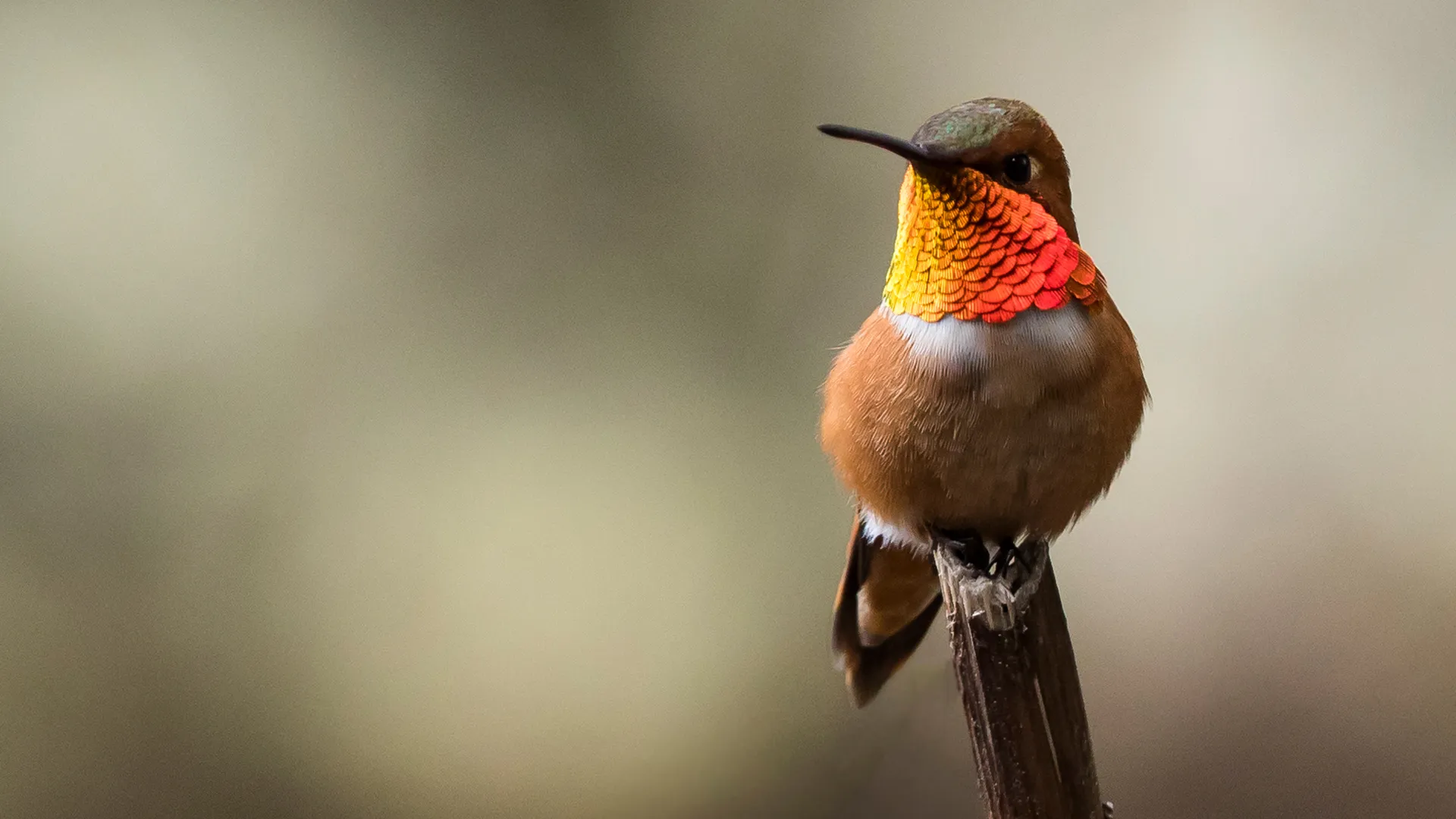
The Rufous hummingbird undertakes a narrative arc defined by extreme distance and punishing climates.
Travelling thousands of miles from the breeding grounds of Alaska down to the wintering habitats of Mexico, their migratory route is one of the longest in the avian world relative to body size. The longer and harsher the travel corridor, the more opportunities exist for fatal interruptions.
Exhaustion, sudden temperature drops, and gaps in floral food sources take a devastating toll, framing the survival of any Rufous hummingbird, especially a first-year bird, as a masterpiece of endurance and biological luck.
The Bee Hummingbird: Endemic Fragility And Micro-Survival
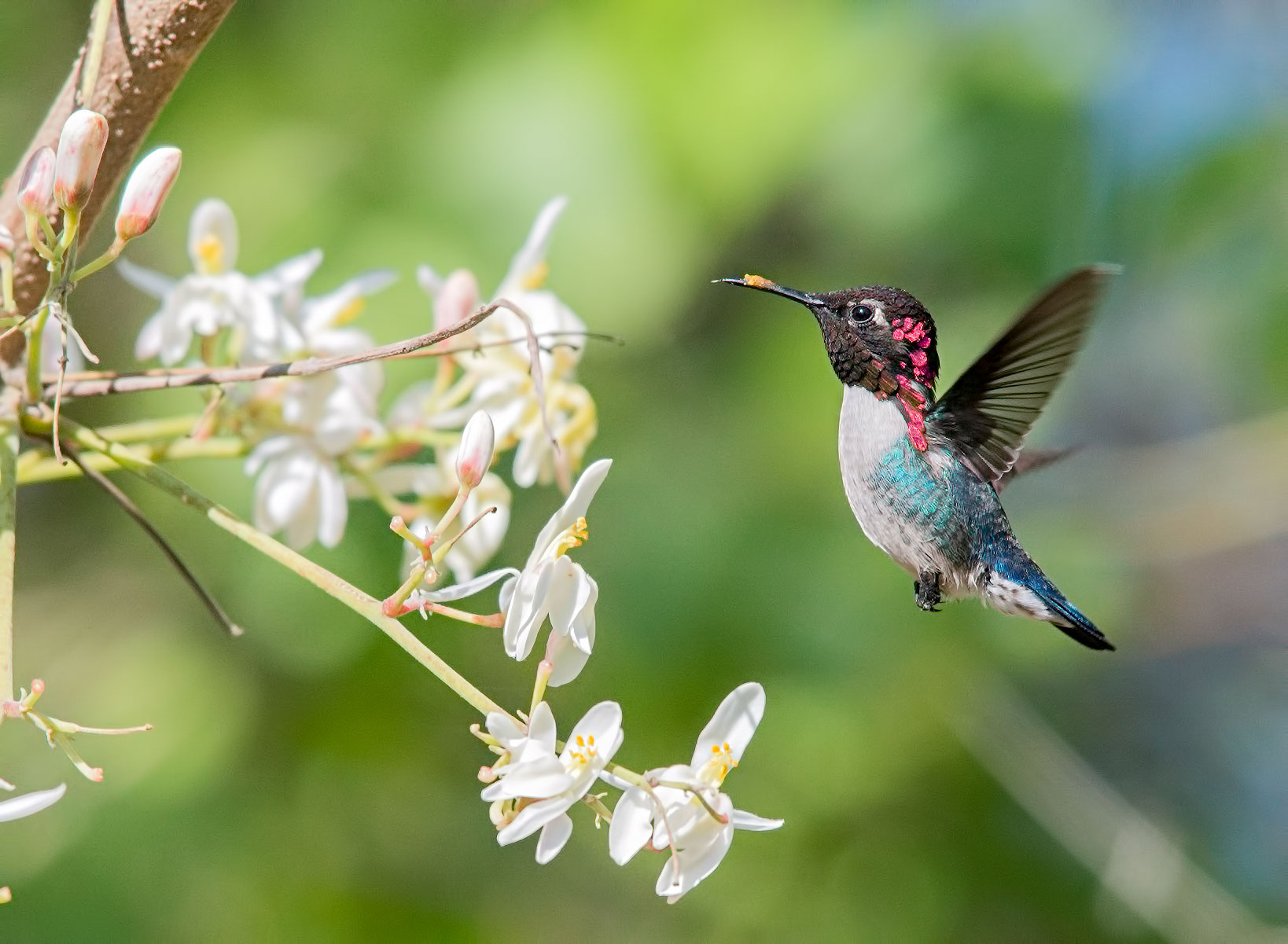
When examining the absolute extremes of avian biology, the Bee hummingbird, endemic exclusively to the dense forests and mogotes of Cuba, presents a survival narrative dictated entirely by its record-breaking size.
As the smallest living bird on Earth, often weighing less than a mere two grams, its internal engine burns hotter and faster than almost any other creature.
To sustain a microscopic body that can beat its wings up to an astonishing 200 times per second during courtship displays, they must maintain a near-constant intake of nectar, making their daily metabolic tightrope the thinnest of any hummingbird species.
Because the Bee hummingbird is non-migratory, it manages to bypass the exhausting, often fatal gauntlet of intercontinental flight that plagues North American species.
This stationary, island-bound lifestyle allows some exceptionally resilient individuals to reach up to seven years in the wild, and potentially up to ten years in captivity. However, their lifespan is instead capped by intense, highly localised vulnerabilities.
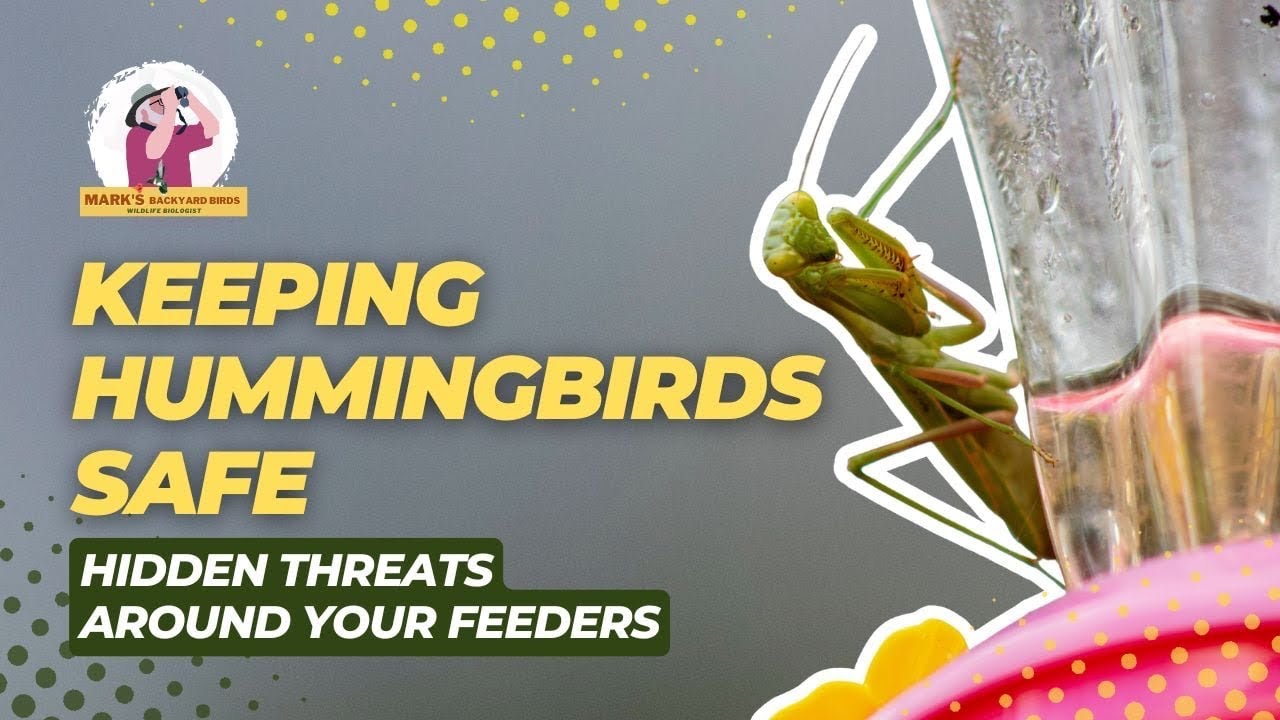
Top Dangers for Hummingbirds Around Feeders (Must-Know Safety Tips!
This video provides practical, science-backed guidance on identifying and eliminating unconventional backyard threats, like predatory insects and opportunistic birds, which directly impact the daily survival and overall lifespan of the hummingbirds visiting your area.
The Calliope Hummingbird: Surviving The High-Altitude Gauntlet
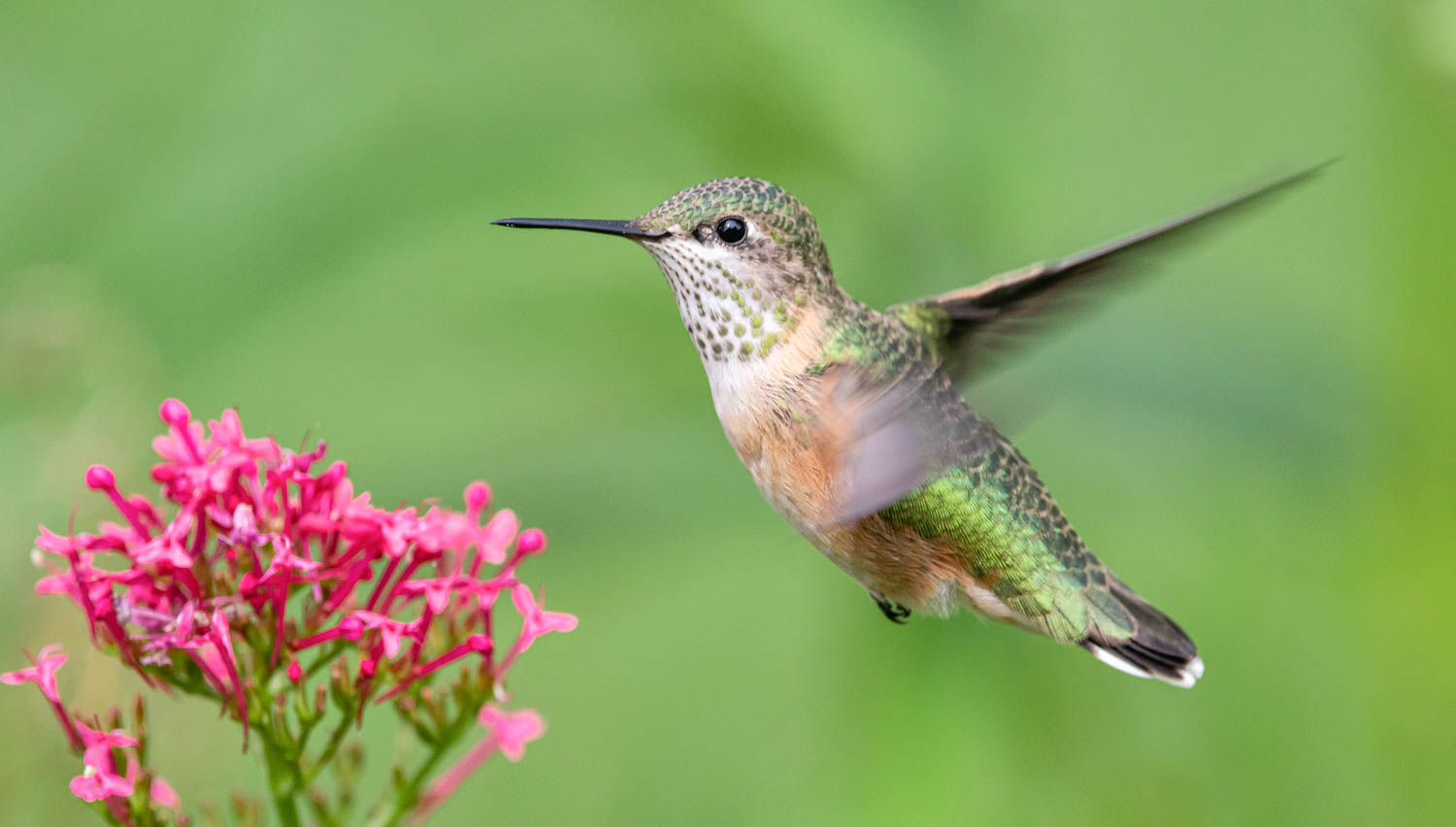
When assessing the limits of avian endurance, the Calliope hummingbird presents a staggering biological narrative. As the smallest breeding bird in North America, weighing less than a ping-pong ball, one might assume its lifespan is uniquely fragile.
However, this species intentionally seeks out one of the most punishing migratory routes available: the high-altitude corridors of the Rocky Mountains.
Surviving freezing nocturnal temperatures at elevations exceeding 10,000 feet requires a flawless, nightly execution of torpor.
For the Calliope, a long lifespan is not just about avoiding predators; it is entirely dependent on their microscopic bodies successfully restarting their frozen internal engines every single morning after sub-freezing nights.
Costa’s Hummingbird: Thriving In The Desert Furnace
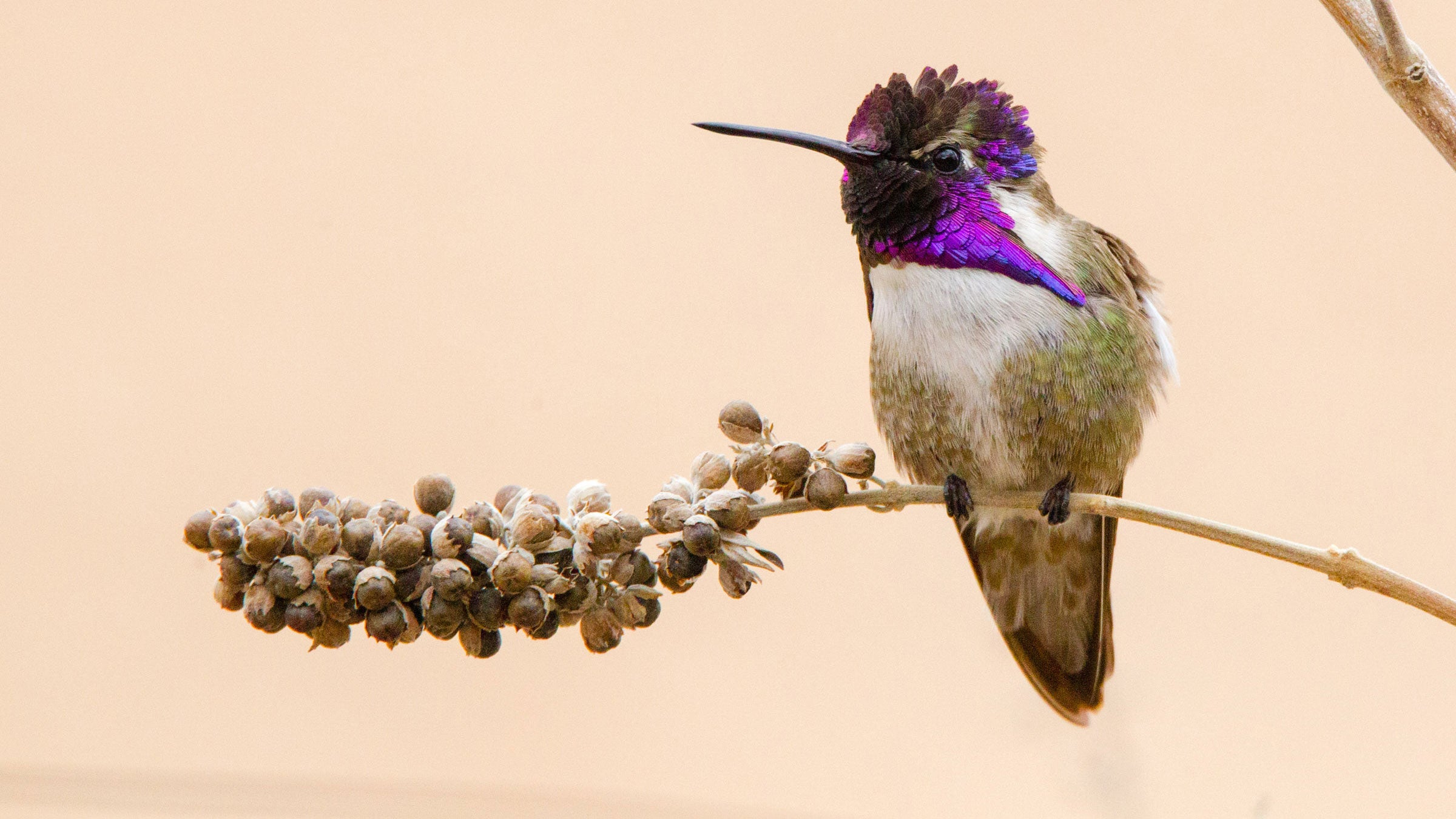
While the Calliope battles freezing peaks, the Costa’s hummingbird faces the exact opposite extreme in the Mojave and Sonoran deserts.
Their lifespan is dictated by the relentless heat and the highly unpredictable blooming cycles of sparse desert flora, such as the chuparosa and ocotillo.
To avoid starvation during the scorching summer months when nectar sources wither, Costa's hummingbirds perform a unique regional migration, retreating to cooler coastal chaparral.
Surviving in this environment means walking a daily metabolic tightrope where dehydration is an ever-present, fatal threat. Their ability to reach the 3-to-5-year average relies heavily on timing their breeding and movement perfectly with the erratic desert rains.
Allen’s Hummingbird: The Coastal Micro-Climate Advantage
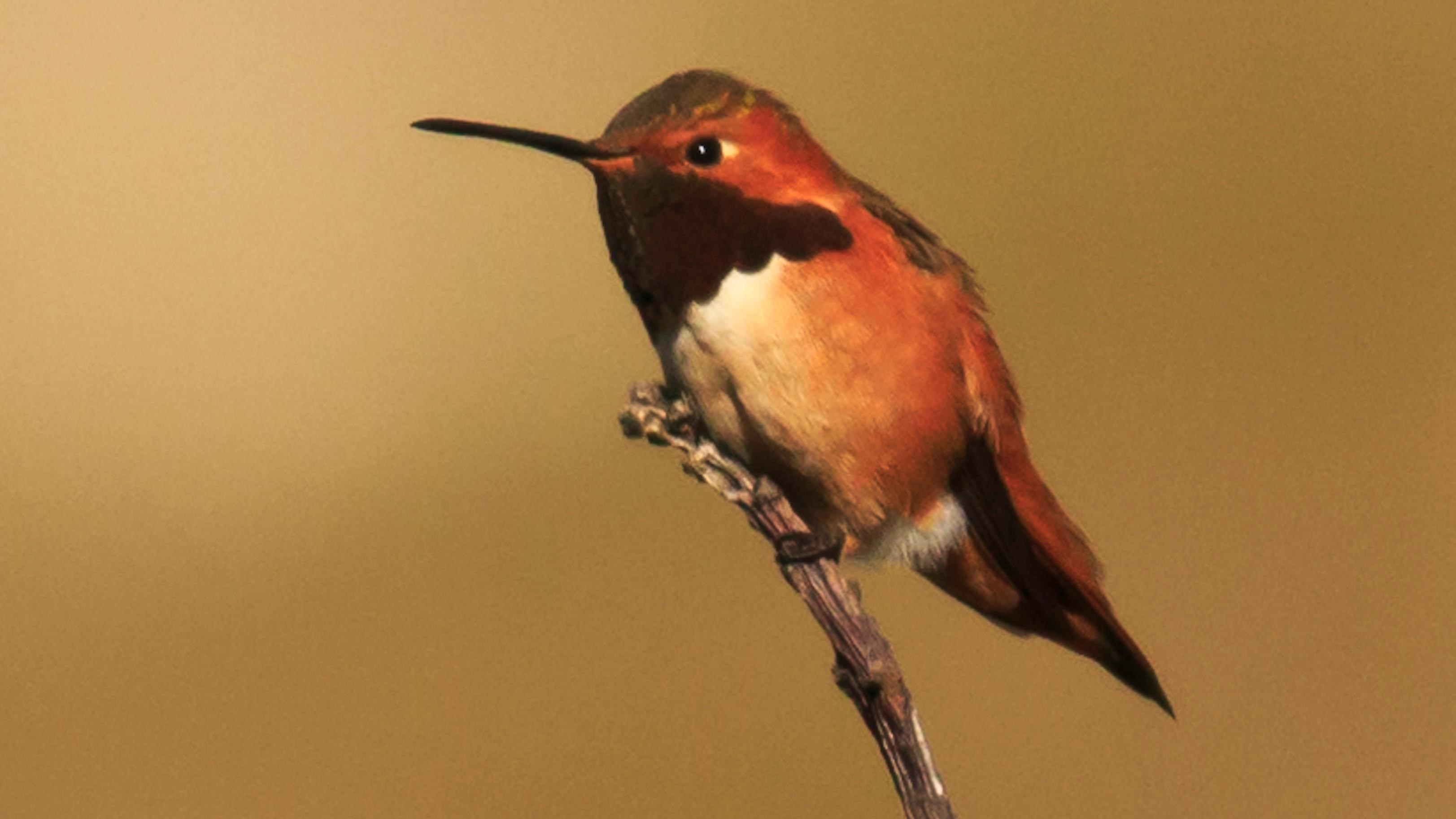
The Allen’s hummingbird offers a fascinating study in how microclimates alter risk exposure. Primarily confined to a narrow strip of foggy, coastal California and southern Oregon, these birds enjoy a relatively stable, temperate environment with abundant, year-round floral resources.
Because a significant portion of the population is non-migratory, they bypass the massive caloric drain and weather hazards of crossing international borders. Yet, this localised comfort zone is heavily populated by humans.
For an Allen's hummingbird, achieving a maximum lifespan means navigating one of the highest densities of outdoor domestic cats and complex, window-filled suburban landscapes in the country, trading atmospheric threats for backyard battlegrounds.
What Longevity Records Actually Reveal: Overcoming Sampling Bias
When we look at maximum age statistics, it is crucial to recognise the inherent sampling bias in the data. Longevity records do not represent the average hummingbird experience; rather, they are the highlight reels of the absolute ultimate survivors.
These numbers reflect the rare, statistically anomalous birds that managed to dodge every single predator, window, and starving night long enough to be captured and recorded by researchers twice in a lifetime.
The data provided by the USGS Bird Banding Laboratory’s longevity records as of Dec 2025 perfectly illustrates this biological ceiling.
Verified minimum ages from these banding efforts show a Broad-tailed Hummingbird living an astonishing 12 years and 2 months.
Similarly, a Black-chinned Hummingbird was recorded at 12 years and 1 month, while a Ruby-throated Hummingbird reached 11 years and 1 month.
The Greatest Threats To A Hummingbird’s Survival
Even with perfect biological engineering, these tiny creatures must navigate a world filled with colossal, often fatal, dangers. Their lifespan is most frequently cut short not by old age, but by sudden environmental hazards.
The Perils Of The First Migration
Consider the sheer scale of the hummingbird's migratory narrative. A Ruby-throated hummingbird weighing less than a nickel will instinctively launch itself across the Gulf of Mexico, flying non-stop for up to 500 miles, 800 km over open water.
This 18-to-22-hour flight pushes their physical limits to the absolute brink. Unpredictable headwinds or severe storms during this crossing are primary causes of mortality, claiming thousands of birds before they ever reach their wintering grounds in Central America.
Natural Predators
Despite their speed, hummingbirds are vulnerable to a surprising array of predators. Outdoor domestic cats are an overwhelming threat to backyard populations. In the wild, they must evade predatory birds like sharp-shinned hawks.
Remarkably, they also fall victim to large insects; a well-camouflaged praying mantis waiting on a nectar-rich flower can easily capture and consume a feeding hummingbird.
Weather And Environmental Hazards
Sudden spring cold snaps can decimate local populations by freezing the blooming flowers they rely on for nectar.
Furthermore, fatal window collisions are a leading cause of premature death. The reflective glass of modern homes perfectly mirrors the sky and surrounding foliage, tricking the birds into flying at full speed into an invisible, deadly barrier.
Surviving these gauntlets is a testament to their resilience, but they often require our conscious intervention to extend their story.
How You Can Help Hummingbirds Live Longer
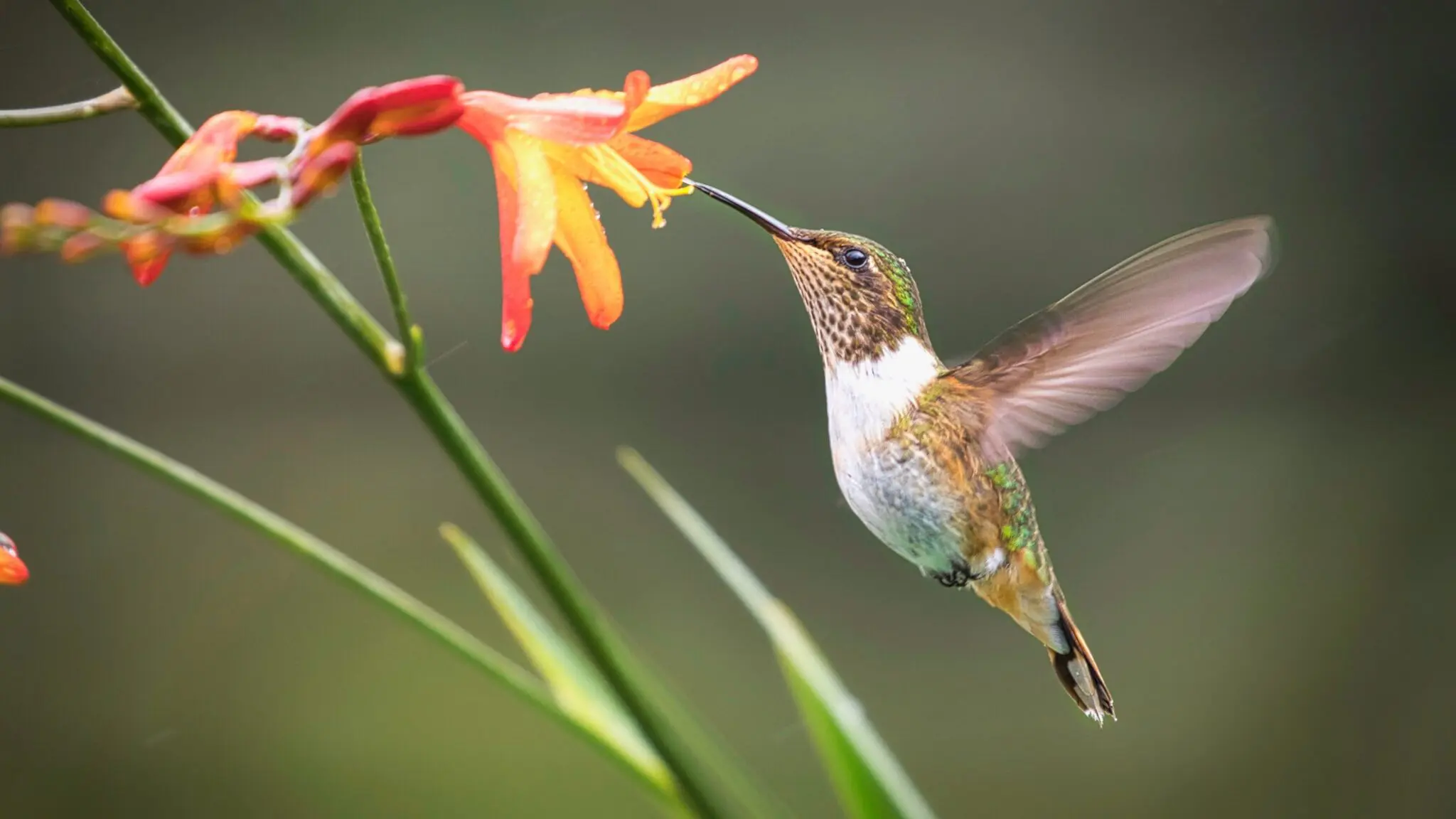
We have the power to actively rewrite the odds for our local hummingbirds. By transforming our gardens and patios into safe, reliable havens, we can directly reduce the daily stress that shortens their lifespans.
Backyard Survival Checklist for Hummingbirds:
- Clean Feeders Relentlessly:Sugar water ferments rapidly in the sun, breeding fatal black mould. Empty, scrub, and refill your feeders every two to three days.
- Plant Native Nectar Corridors:Prioritise planting tubular, native flowers like columbine, bee balm, and trumpet vine, which provide a naturally renewing, safe food source.
- Keep Domestic Cats Indoors:Remove the single greatest unnatural predator from their feeding territory by keeping feline companions inside your home.
- Break Up Window Reflections:Apply UV-reflective decals or install zen wind curtains on large, highly reflective windows near your feeding stations to prevent fatal high-speed collisions.
Small, deliberate environmental adjustments drastically improve the survival rates of these brilliant, backyard visitors.
Frequently Asked Questions
How Long Do Hummingbirds Live In The Wild?
For common backyard species like Ruby-throated hummingbirds, extension educators often cite an average lifespan of about three to four years, though rare individuals can live much longer.
What Is The Life Expectancy Of A Hummingbird?
Life expectancy depends heavily on surviving the first year. Many don’t, but those who do can live several more years, sometimes close to a decade in rare cases.
How Old Is The Oldest Hummingbird Ever Recorded?
USGS Bird Banding Laboratory longevity records list a Broad-tailed Hummingbird with a minimum age at encounter of 12 years, 2 months. Data as of Dec 2025.
Why Do So Many Hummingbirds Die In Their First Year?
The first year is especially risky: weather, predators, collisions, habitat pressures, and food gaps take a heavy toll before birds gain experience and stability.
Do Female Hummingbirds Live Longer Than Males?
In at least one long-running banding data set summarised by American Bird Conservancy, adult females had higher annual survival than adult males, suggesting females may often live longer.
Does Migration Shorten A Hummingbird’s Lifespan?
Migration adds risk-storms, exhaustion, and food gaps, especially for first-year birds. Even so, many hummingbirds complete migrations successfully year after year.
How Long Can Hummingbirds Live Without Food?
There isn’t one safe hour count. While active, hummingbirds burn energy fast; at night, many can use torpor to sharply reduce energy use and make it through.
What Is Torpor In Hummingbirds?
Torpor is an energy-saving state where metabolism drops dramatically, helping hummingbirds survive cold nights or low-food conditions; it can vary in depth and duration.
What Do Hummingbirds Eat Besides Nectar?
They eat insects and other small prey for protein and nutrients; nectar supplies energy, but insects are an important part of their diet.
What Is A Hummingbird’s Biggest Enemy?
It depends on location, but near homes, major threats include cats and collisions with windows/vehicles, along with weather and habitat pressures.
How Do Hummingbirds Die Most Often?
They usually don’t die of old age. Common causes include cold weather, predators, pesticides, andcollisions, many linked to human-altered environments.
How Long Do Hummingbirds Live In Captivity?
In professional care, hummingbirds can avoid many wild risks, but they have specialised needs and aren’t suitable as pets; public captivity isn't realistic.
Do Hummingbirds Mate For Life?
In many species, males don’t help with nesting; females build nests and raise young on their own, and pair bonds are typically brief.
What Does It Mean When A Hummingbird Hovers Around You?
Most often, it’s simple biology: feeding, curiosity, or territorial behaviour. Symbolic meanings are cultural interpretations, not scientific explanations.
Who Is The King Of All Birds?
There’s no scientific king of birds. It’s a folklore idea, fun for stories, but not a biological category.
Conclusion
To study the lifespan of a hummingbird is to appreciate a fleeting, perfectly executed work of art. Their 3 to 5 year existence is not a tragedy of brevity, but a triumph of absolute efficiency.
They are protagonists in a relentless narrative of survival, navigating immense geographical distances and pushing the very boundaries of vertebrate biology.
By understanding the intense pressures they face-from the daily threat of starvation to the perilous gauntlet of migration-we gain a profound respect for every second they spend hovering in our gardens.
When we choose to provide clean feeders, plant native flora, and secure our windows, we become active participants in their survival story, ensuring this brilliant masterpiece of nature continues to fly.
Jump to
How Long Do Hummingbirds Live? The Fast-Paced Lifecycle Explained
The Numbers: Average Vs. Maximum Hummingbird Lifespan
The First-year Bottleneck, Where Most Lifespan Is Lost
What Shortens Or Extends A Hummingbird’s Life In The Wild
The Biology Of Ageing: A Life Lived In Fast Forward
Lifespan Differences By Species: Why Migration Matters
The Greatest Threats To A Hummingbird’s Survival
How You Can Help Hummingbirds Live Longer
Frequently Asked Questions
Conclusion

Marcus Vale
Author
Marcus Vale is the founder of Island Flave and a travel writer covering global destinations, famous places, island escapes, cultural landmarks, and the people connected to remarkable locations around the world.
Guided by curiosity and careful research, Marcus explores what makes places memorable — from history, food, festivals, and local traditions to the artists, athletes, musicians, actors, icons, and public figures linked to certain cities, islands, neighborhoods, and landmarks.
At Island Flave, Marcus creates clear, well-researched, and easy-to-read guides built around public information, responsible storytelling, and helpful destination context. His writing focuses on cultural relevance, neighborhood-level insight, travel value, and the public stories and cultural connections that help readers understand where to go, what a place is known for, who is connected to it, and why it matters.
Rather than chasing gossip or private details, Marcus focuses on the bigger picture: the places people talk about, the meaning behind them, and the cultural details that make them worth knowing.
Latest Articles
Popular Articles